
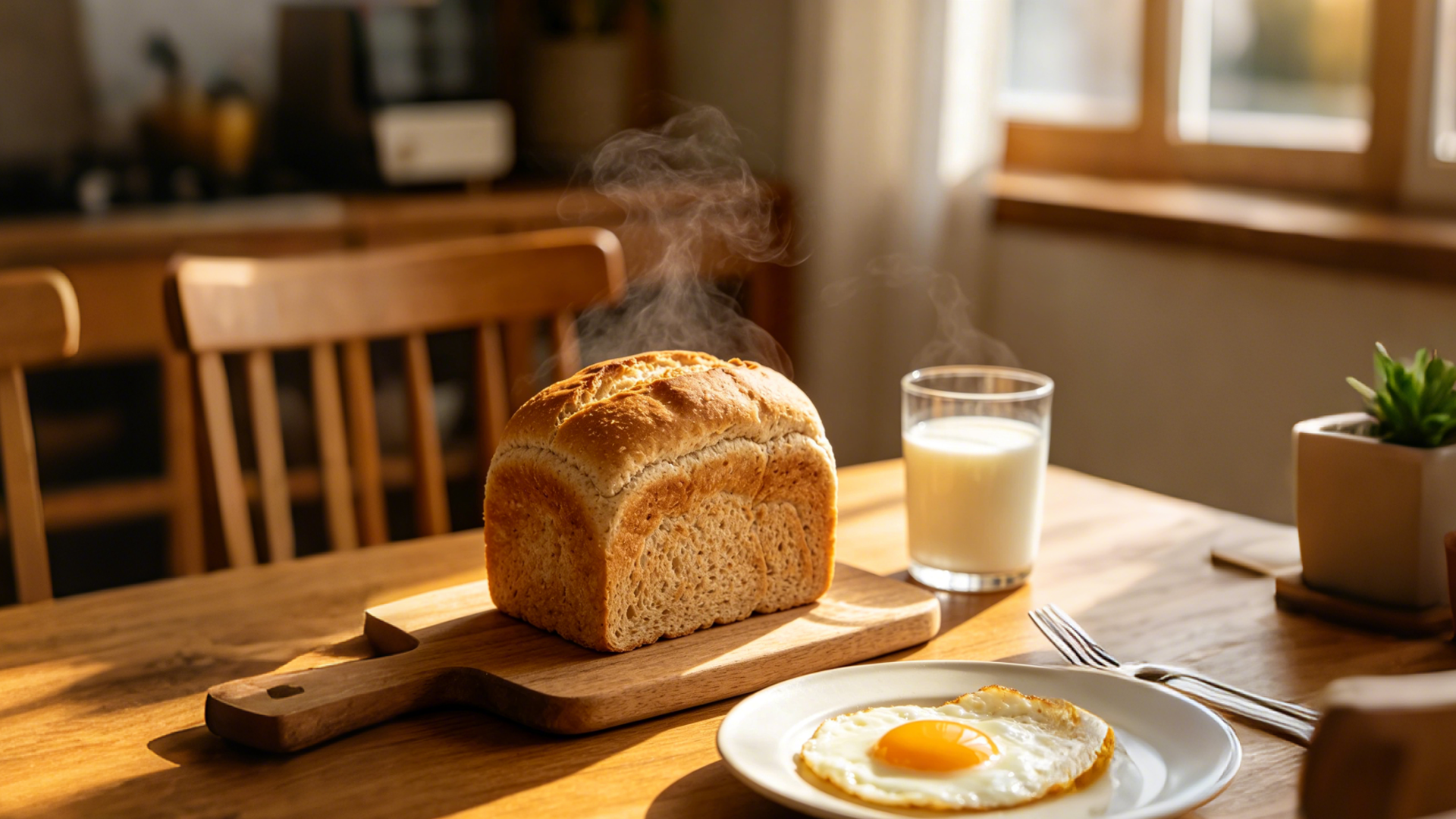
Commercial Bakery Equipment
Commercial bakery equipment plays a key role in modern baking businesses. It helps bakeries produce consistent, high-quality products while saving time and labor. Today, most bakeries rely on machines to handle mixing, shaping, proofing, baking, and packaging.
First of all, commercial bakery equipment is designed for medium to large-scale production. It is widely used in bakeries, cafes, hotels, and food factories. In addition, these machines improve efficiency and reduce human error.
Common commercial bakery equipment includes:
- Dough mixers
- Dough dividers and rounders
- Proofing cabinets
- Deck ovens
- Convection ovens
- Dough sheeters
- Packaging machines
Moreover, many modern bakeries now use automated systems. These systems help maintain stable product quality and increase output capacity. As a result, bakeries can meet growing market demand more easily.
Equipment for a Bakery: Essential Machines and Tools
When planning a bakery, choosing the right equipment for a bakery is very important. The equipment you select will directly affect production speed, product quality, and operating costs.
Generally, bakery equipment can be divided into several key categories:
1. Mixing Equipment
Mixers are the foundation of any bakery. They are used to combine flour, water, yeast, and other ingredients. Spiral mixers and planetary mixers are the most common types.
2. Dough Processing Equipment
After mixing, dough needs to be divided, shaped, and prepared. This includes dough dividers, rounders, and sheeters.
3. Proofing Equipment
Proofing cabinets control temperature and humidity. This ensures dough fermentation is stable and consistent.
4. Baking Equipment
Ovens are the core of bakery production. Deck ovens, rotary ovens, and tunnel ovens are widely used depending on production scale.
5. Cooling and Packaging Equipment
After baking, products must be cooled and packaged quickly to maintain freshness and hygiene.
In addition, automation is becoming more important. Many bakeries now integrate multiple machines into a single production line to improve workflow efficiency.
Commercial Baking Equipment for Modern Bakeries
Commercial baking equipment is essential for bakeries that want to scale production while maintaining product consistency. Unlike home baking tools, commercial machines are built for continuous operation.
On one hand, small bakeries may only need basic machines. On the other hand, large bakeries require full production lines.
Typical commercial baking equipment includes:
- High-capacity dough mixers
- Automatic dough dividers
- Industrial ovens
- Continuous proofing systems
- Automated filling and shaping machines
Furthermore, commercial baking equipment is often designed with stainless steel materials. This ensures durability, hygiene, and easy cleaning.
Another important point is energy efficiency. Modern machines are designed to reduce power consumption while maintaining high output. Therefore, bakeries can reduce long-term operating costs.
Industrial Baking Equipment for Large-Scale Production
Industrial baking equipment is used in large factories and centralized bakery production centers. It is designed for high-volume output and continuous operation.
Compared to commercial machines, industrial baking systems are more advanced and often fully automated.
Key Features of Industrial Baking Equipment:
- High production capacity
- Fully automated operation
- Integrated production lines
- Advanced temperature control systems
- Smart monitoring and control systems
Industrial baking equipment usually includes complete systems such as:
- Automated dough preparation lines
- Industrial tunnel ovens
- High-speed cooling conveyors
- Automatic packaging systems
In addition, these systems help ensure consistent product quality across large batches. As a result, industrial bakeries can supply supermarkets, restaurants, and international markets efficiently.
Bakery Production Line Systems and Workflow Integration
A modern bakery production line connects multiple machines into one continuous system. This improves efficiency and reduces manual handling.
A typical bread production line includes:
- Raw material mixing
- Dough fermentation
- Dough dividing and shaping
- Proofing
- Baking
- Cooling
- Packaging
Moreover, automation plays a key role in production lines. Sensors and control systems help maintain stable temperature, timing, and speed.
As a result, production becomes more consistent and scalable. In addition, fewer workers are required, which reduces labor costs.
Many factories also customize their production lines based on product types, such as:
- Bread production lines
- Cake production systems
- Pastry forming lines
- Frozen dough production systems
How to Choose the Right Equipment for a Bakery
Choosing the right equipment for a bakery requires careful planning. Several factors should be considered before making a purchase.
1. Production Scale
Small bakeries need compact machines, while large factories need full automated lines.
2. Product Type
Different products require different equipment. For example, bread, cakes, and pastries all need specialized machines.
3. Budget Planning
Investment cost is important. However, long-term efficiency and maintenance costs should also be considered.
4. Automation Level
Higher automation improves efficiency but requires higher initial investment.
5. Supplier Support
Good suppliers provide installation, training, and after-sales service.
In addition, it is always better to choose flexible equipment that can adapt to future production needs.
Maintenance and Hygiene of Bakery Equipment
Proper maintenance is essential for long-term performance. Bakery equipment works in food environments, so hygiene is especially important.
Daily Maintenance Includes:


Wuxi Henghao Machinery Technology Co., Ltd.
Intelligent Manufacturing of Deliciousness, Always by Your Side.
From staple food machines to bakery and pastry production lines, we provide innovative equipment and customized automation to boost efficiency and quality.
Guided by "Constant Excellence," we aim to bring safe, delicious food to consumers while driving the intelligent transformation of the food industry.
Copyright © 2026 无锡恒好机械科技有限公司 Ltd. All Rights Reserved. POWERED BY WEIMOBTRADE
