
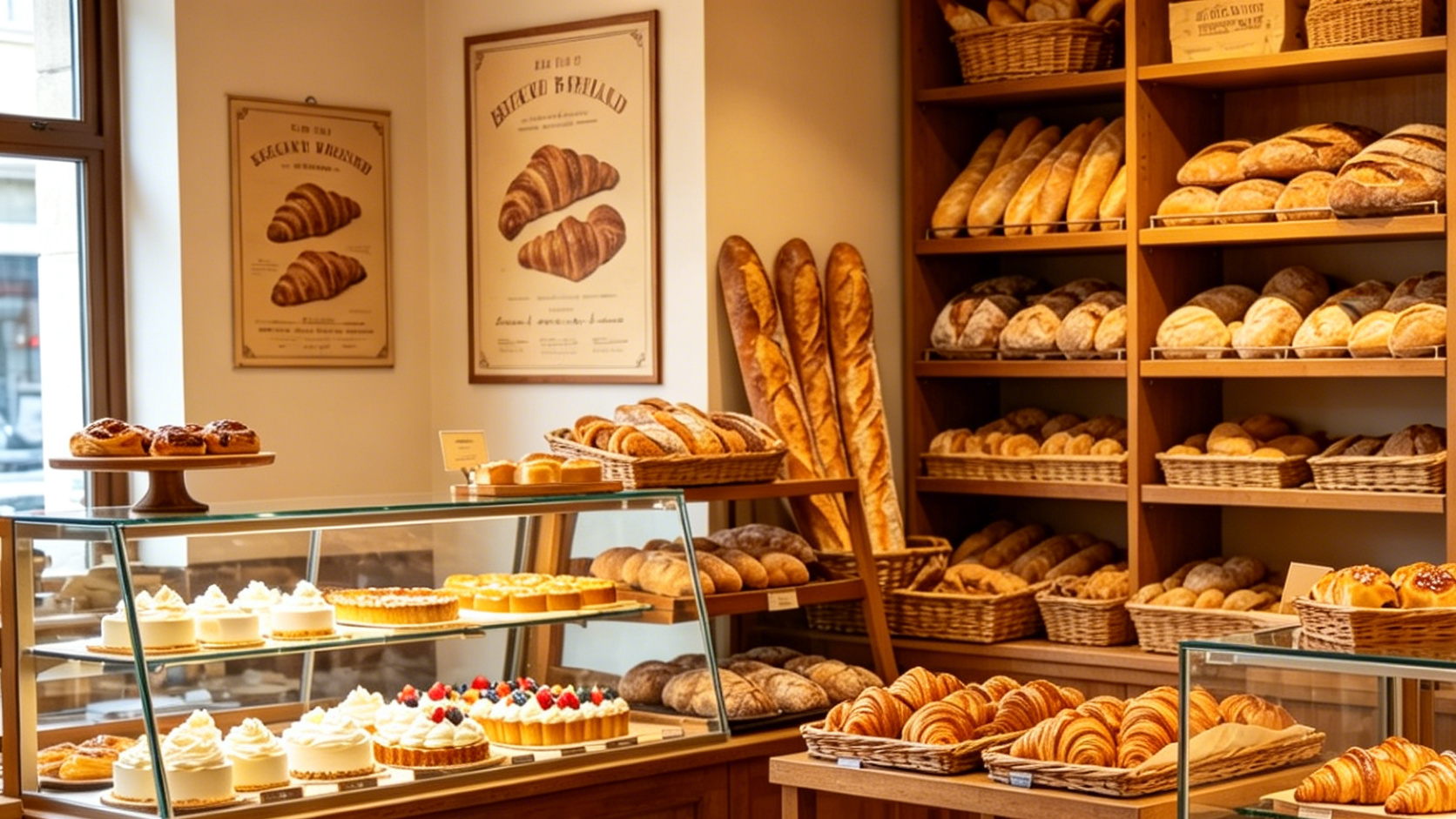
Above all, owning a bakery is a dream for many. But how much does a bakery make in a year? The answer depends on several key factors.
Average Annual Revenue of Bakeries
A typical small bakery earns $50,000 to $150,000 per year. However, popular bakery chains can make millions. For example, a downtown bakery with high foot traffic earns more. But location alone does not decide your income. Your menu, pricing, and costs play a role. So how much do bakeries make a year in your market? Furthermore, revenue figures vary widely by country. A bakery in a major city earns much more. Still, rural bakeries can thrive with the right model. Also, the type of bakery matters greatly. A specialty cake shop earns differently from a bread bakery. Meanwhile, hybrid cafes with coffee bring in extra revenue. Interestingly, the global bakery market continues to grow. Rising demand for artisan products drives expansion. Therefore, new opportunities emerge for bakery owners worldwide. Additionally, online sales channels now boost bakery income. Many shops report higher revenue through delivery apps. As a result, digital presence matters more than ever.
Key Factors That Drive Bakery Profit Margins
First, ingredient costs directly impact your profits. Flour, butter, and sugar prices shift over time. Therefore, smart sourcing is vital for healthy margins. Secondly, labor costs eat into bakery earnings. Skilled bakers demand competitive wages. But good staff boosts quality and sales. Additionally, waste management is a hidden cost driver. Unsold bread cuts into your bottom line. Consequently, demand forecasting saves thousands each year. Moreover, rent and utilities are major fixed costs. A prime location costs more but brings higher traffic. For this reason, balance your rent with expected revenue. In addition, menu pricing strategy directly shapes your margins. Premium products like artisan sourdough command higher prices. Meanwhile, everyday staples drive consistent foot traffic. Similarly, seasonal trends affect bakery profitability. Holiday sales can double your monthly revenue. Thus, plan special menus for peak seasons in advance.
Smart Equipment Investments for Higher Returns
A small bakery equipment list and prices must match your budget. Start with essentials like ovens, mixers, and proofing cabinets. These tools form the backbone of daily production. Also, automated baking equipment reduces labor costs over time. Dough dividers speed up your workflow. In addition, they ensure consistent quality every batch. For growing bakeries, bakery production line equipment is a game changer. Conveyor ovens boost output dramatically. Similarly, commercial refrigeration reduces spoilage. Moreover, many suppliers offer leasing options for machinery. This protects your cash flow in early years. In short, plan purchases around your growth stage. Furthermore, regular equipment maintenance extends lifespan. Well-maintained machines run more efficiently. As a result, you save on repair costs and downtime. Notably, energy-efficient equipment lowers your utility bills. Modern ovens consume less power than older models. In the long run, this investment pays for itself quickly.
Scaling Your Bakery Business for Growth
Meanwhile, wholesale partnerships multiply monthly revenue. Selling to cafes and grocery stores expands your reach. Likewise, catering services bring large one-time orders. Online ordering is another powerful growth channel. Customers love digital storefronts. Consequently, a delivery-friendly menu boosts your revenue. Additionally, a strong brand sets you apart from competitors. Tell your story through packaging and social media. In turn, loyal customers become your best marketers. Finally, customer feedback drives continuous improvement. Listen to what your regulars want most. Then refine your offerings based on real data. In the end, tracking numbers is non-negotiable. Know your profit per item and per customer. Above all, reinvest profits for long-term success.


