High Protein Bread Production: What Changes in Mixing and Dough Handling?
News Details
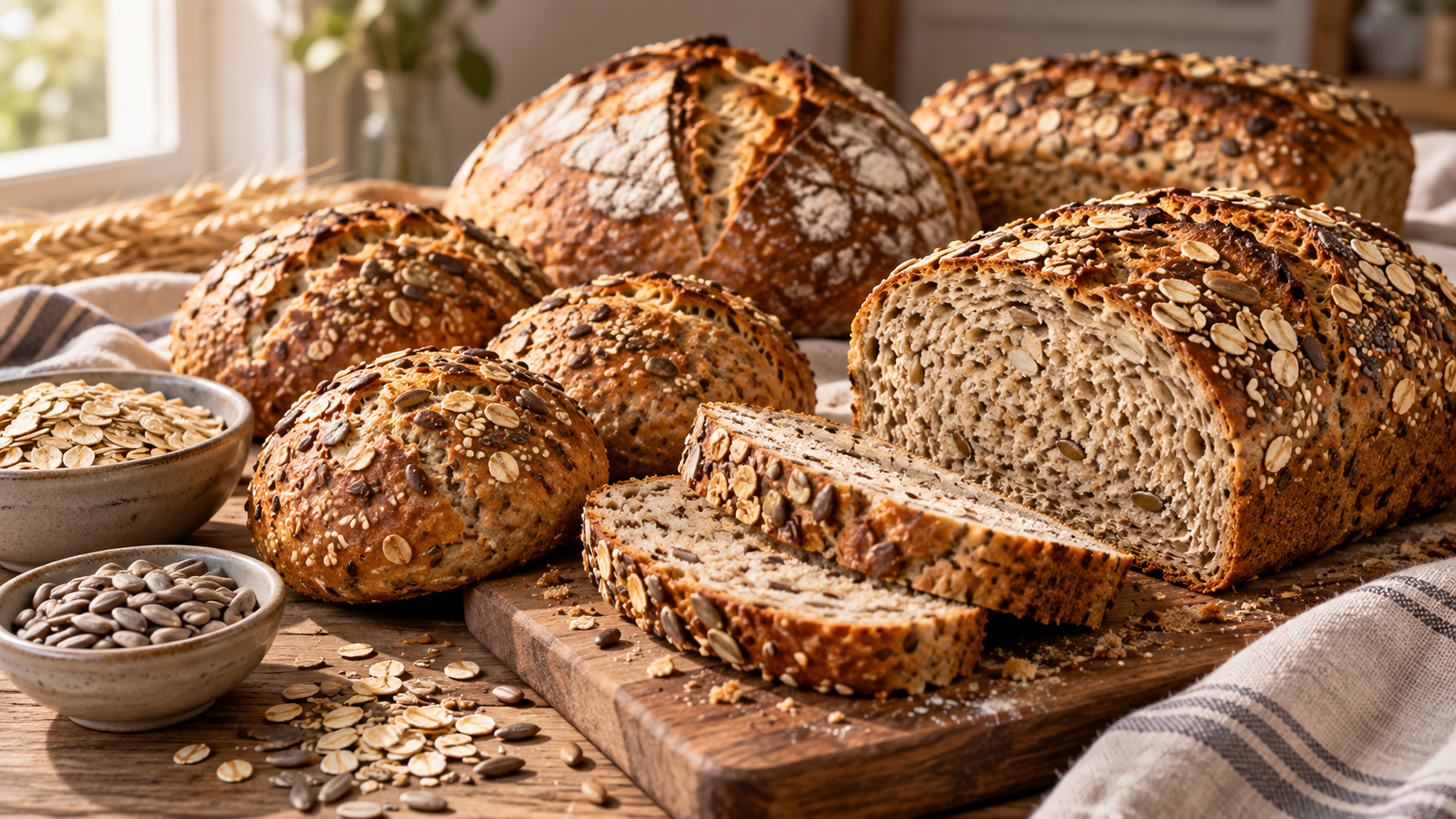
High protein bread production is becoming more important for modern bakeries. More consumers want bread that supports fitness, weight control, and daily nutrition. As a result, food brands and industrial bakeries are adding protein bread, high-fiber bread, keto-style bread, seed bread, and functional bakery products to their product lines.
However, high protein bread is not just normal bread with extra protein powder. At industrial scale, it changes the way dough mixes, absorbs water, rests, forms, proofs, and bakes. In many cases, the dough becomes tighter, drier, stickier, or weaker than standard wheat dough. Therefore, bakeries need both process knowledge and the right high protein bakery equipment.
A well-designed protein bread line can help factories keep taste, texture, weight, and shape stable while raising output. In this blog, we will explain the main changes in mixing and dough handling, and how Haopai (Henghao Bakery) equipment can support industrial production.
High Protein Bread Production: Why Protein Changes Dough Behavior
In high protein bread production, extra protein may come from wheat gluten, soy protein, pea protein, milk protein, egg protein, or mixed plant protein. Each protein works in a different way. Because of this, the dough will not always act like classic bread dough.
First, many protein powders absorb a lot of water. So, the dough may feel dry even when the formula uses more water. Second, added protein can compete with wheat gluten for water. This may weaken gluten development if the mixing process is not adjusted. Third, some proteins make dough less elastic. As a result, the dough may tear during sheeting or forming.
In addition, protein bread often includes seeds, grains, fiber, low-carb flour, or sweeteners. These ingredients can further change dough flow. Therefore, industrial bakeries must treat high protein dough as its own system, not as a small change to a standard white bread recipe.
High Protein Bakery Equipment: Why Mixing Needs More Control
Mixing is one of the most important steps in high protein bread production. If mixing is too short, the dough may not gain enough structure. However, if mixing is too long, the dough may heat up, become tough, or break down.
Because protein formulas absorb water slowly, many bakeries use staged mixing. For example, flour, protein powder, and part of the water may be mixed first. Then the dough rests for a short time. After that, salt, yeast, fat, and other ingredients are added. This helps the dry ingredients hydrate more evenly.
Also, dough temperature should be watched closely. Extra protein and fiber can increase friction during mixing. As a result, dough temperature can rise faster than expected. If the dough gets too warm, fermentation may move too fast and the final bread may lose volume.
This is why high protein bakery equipment should support stable speed, repeatable settings, and strong mixing performance. Haopai (Henghao Bakery) provides bakery machinery for industrial food production, including mixers and automated bread production solutions. The company’s product range includes bread production lines, pastry sheeters, dough laminators, cake machines, cookie machines, encrusting machines, and related food automation equipment.
You can explore the company’s complete product range here: Haopai (Henghao Bakery) All Products.
Protein Bread Line Design: Hydration Is the First Big Change
Hydration is often the first major change in a protein bread line. Since protein powders and fibers bind water, the formula may need more water than a standard bread recipe. Yet adding too much water too quickly can create lumps, uneven texture, or sticky dough.
Therefore, water should be added in a controlled way. Some formulas work better with delayed water addition. Others need a longer rest after mixing. In many cases, the dough will continue to firm up after the first mix because protein and fiber keep absorbing water.
For industrial production, this means the line should allow enough time for hydration before heavy forming. If the dough is sent too quickly into dividing and shaping, it may crack or tear. On the other hand, if it rests too long, it may become too stiff or over-fermented.
Good line planning helps solve this problem. The process should match the formula, the target loaf size, and the output speed. Moreover, each transfer point should protect dough structure.
High Protein Bread Production: Dough Handling Must Be Gentler and More Exact
High protein dough may be less flexible than standard dough. Because of this, rough handling can cause surface cracks, poor loaf shape, and low volume. This is especially true when the formula contains plant protein or high levels of fiber.
At industrial scale, dough handling must be gentle but still accurate. Dividing must keep weight stable. Forming must shape the dough without squeezing out too much gas. Transfer belts must move dough smoothly. Also, pressure settings should be easy to adjust.
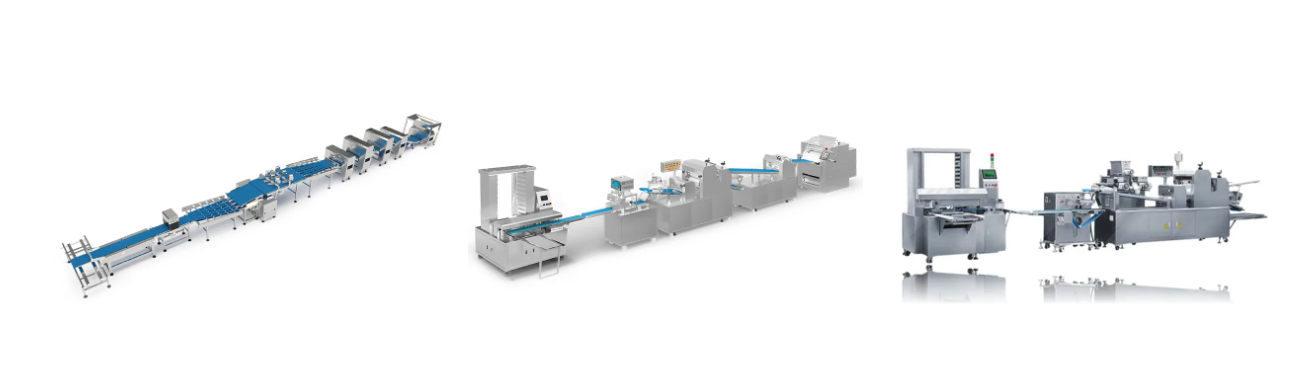
Haopai (Henghao Bakery) offers automated bread production line solutions for high-volume factories. For example, Haopai’s bread production line content describes automated dough mixing, shaping, proofing, and baking stations, with sensors used to monitor temperature, humidity, and dough consistency in real time. This kind of automation can help bakeries improve repeatability in demanding products such as protein bread.
In addition, Haopai’s HM-1510 high-speed automated industrial bread production line is designed for heavy-duty production. Company content states that it can support output up to 650 pcs/min and strict weight tolerance of ±2g, depending on product and setup. For B2B bakeries, this level of control can help reduce waste and keep portion cost stable.
High Protein Bakery Equipment: Dividing and Forming Need Flexible Settings
Dividing and forming are key control points in high protein bread production. Since the dough can be dense or fragile, the equipment should allow fine adjustment.
For example, a protein bread line may need different forming pressure for pan bread, rolls, buns, filled protein bread, or snack-style bread. If the pressure is too strong, the dough may lose volume. If the pressure is too light, the product may not hold shape.
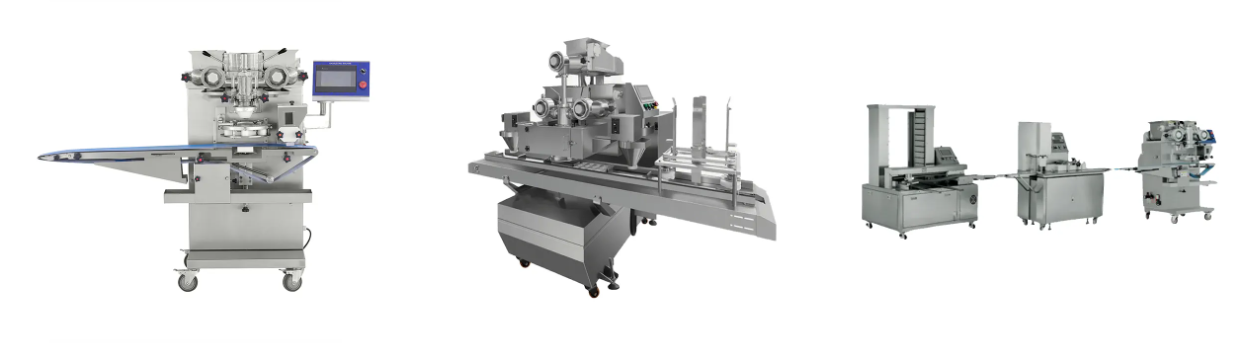
Haopai (Henghao Bakery) designs bakery equipment with automation and flexibility in mind. Its automatic bread production line solutions can support forming, conveying, filling, kneading, cutting, and tray alignment, depending on the project. For protein bread makers, this flexibility matters because one factory may need to run several SKUs on the same line.
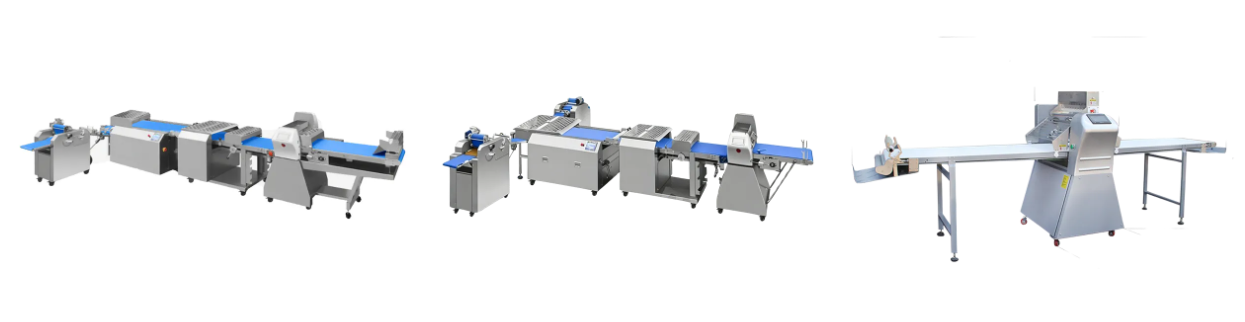
Also, Haopai’s industrial dough sheeting equipment uses PLC-controlled sheeting to help keep dough thickness consistent. While sheeters are often used for pastry, the same idea is important in protein dough handling: stable thickness means more stable weight, shape, and baking results.
Protein Bread Line Quality Control: Proofing and Baking Also Change
Although this article focuses on mixing and dough handling, proofing and baking are also affected. High protein dough often has lower gas retention than classic wheat dough. Therefore, it may not rise as much. Also, the final bread may dry out faster if water balance is not managed well.
During proofing, bakeries should control temperature and humidity carefully. If proofing is too fast, the dough may weaken. If it is too slow, the bread may become dense. Therefore, proofing settings should be tested for each formula.
During baking, high protein bread may brown faster because of protein and sugar reactions. At the same time, the crumb may need enough bake time to set. So, oven temperature, steam, and bake time must be balanced.
A full protein bread line should be planned as a complete process, not as separate machines. Mixing, resting, dividing, forming, proofing, baking, cooling, and packing all affect final quality.
High Protein Bread Production: Common Problems and Practical Fixes
Industrial bakeries often face several problems when starting high protein bread production.
If the bread is too dense, the dough may need better gluten development, more hydration, longer rest, or gentler forming. If the dough tears during forming, the protein level may be too high, the dough may be under-hydrated, or the forming pressure may be too strong. If loaf weight varies, the dividing system may need better control or the dough may be feeding unevenly.
If the bread dries out fast, the formula may need more water, fat, enzymes, or process changes. Also, cooling and packaging should be reviewed because protein bread can lose moisture quickly after baking.
Most importantly, bakeries should run trial tests before full production. Small formula changes can have large effects at scale. Therefore, equipment suppliers should understand both the machine and the process.
High Protein Bakery Equipment from Haopai (Henghao Bakery): Why Supplier Support Matters
Buying high protein bakery equipment is not only about machine speed. It is about building a stable process. A supplier should help match the equipment to the product, plant layout, labor plan, and output target.
Haopai (Henghao Bakery), also known as Wuxi Henghao Machinery Technology Co., Ltd., focuses on bakery and food automation solutions. The company provides equipment for bread, cake, pastry, cookies, encrusting products, and other food production needs. Its website states that Henghao offers innovative equipment and customized automation to improve efficiency and quality.
For industrial bakeries, this is useful because protein bread may require custom line design. For example, you may need a special dough transfer layout, adjustable forming parts, custom cutters, or product-specific conveyor lengths. Haopai’s product information notes that conveyor belt length and cutter devices can be customized on some equipment according to customer needs.
To learn more about the company, visit About Haopai (Henghao Bakery).
Protein Bread Line Buying Guide for Industrial Bakeries
Before investing in a protein bread line, B2B buyers should prepare clear production data.
First, define the bread type. Is it pan bread, toast, rolls, buns, filled bread, frozen dough, or snack bread? Next, list the protein source and protein percentage. Then, confirm hydration, dough temperature, target weight, daily capacity, and packaging style.
After that, review the plant layout. Check mixer capacity, dough resting time, belt width, oven capacity, cooling space, and packaging speed. A bottleneck in one area can limit the whole line.
Also, ask the supplier about changeover. Many protein bread brands sell several flavors, such as seed, chocolate, cheese, oat, and low-carb styles. Therefore, quick cleaning and fast setup changes are important.
Finally, run real dough tests. A machine that works well with standard bread may not work the same way with high protein dough. Testing helps reduce risk before investment.
High Protein Bread Production FAQ for B2B Buyers
What makes high protein bread harder to produce?
Extra protein changes water absorption, dough strength, mixing time, and gas retention. Therefore, the dough often needs different mixing and handling settings.
Does high protein bread need more water?
Often, yes. Many protein powders and fibers absorb more water. However, water should be added carefully to avoid sticky dough or weak structure.
What equipment is needed for a protein bread line?
A typical line may include mixers, dough resting systems, dividers, rounders, molders, conveyors, proofers, ovens, cooling systems, and packing equipment. The exact setup depends on the product.
Can Haopai (Henghao Bakery) support custom protein bread production?
Haopai provides bakery production line equipment and customized automation solutions. Buyers can discuss product type, formula, output, and layout needs to build a suitable line.
Conclusion: Better High Protein Bread Production Starts with Better Dough Control
High protein bread production is a strong growth area for industrial bakeries. However, it brings real process challenges. Protein changes hydration, mixing, dough strength, forming, proofing, and final texture. Therefore, success depends on both recipe design and equipment control.
With the right high protein bakery equipment, bakeries can improve consistency, reduce waste, and scale production with less manual work. A well-planned protein bread line also makes it easier to launch new products and serve changing consumer needs.
Haopai (Henghao Bakery) offers industrial bakery equipment, automated bread production lines, dough processing systems, and customized food automation solutions for B2B manufacturers. To review available solutions, visit Haopai (Henghao Bakery) All Products.


