Industrial Sourdough Production: Handling High-Hydration Dough at Scale
News Details
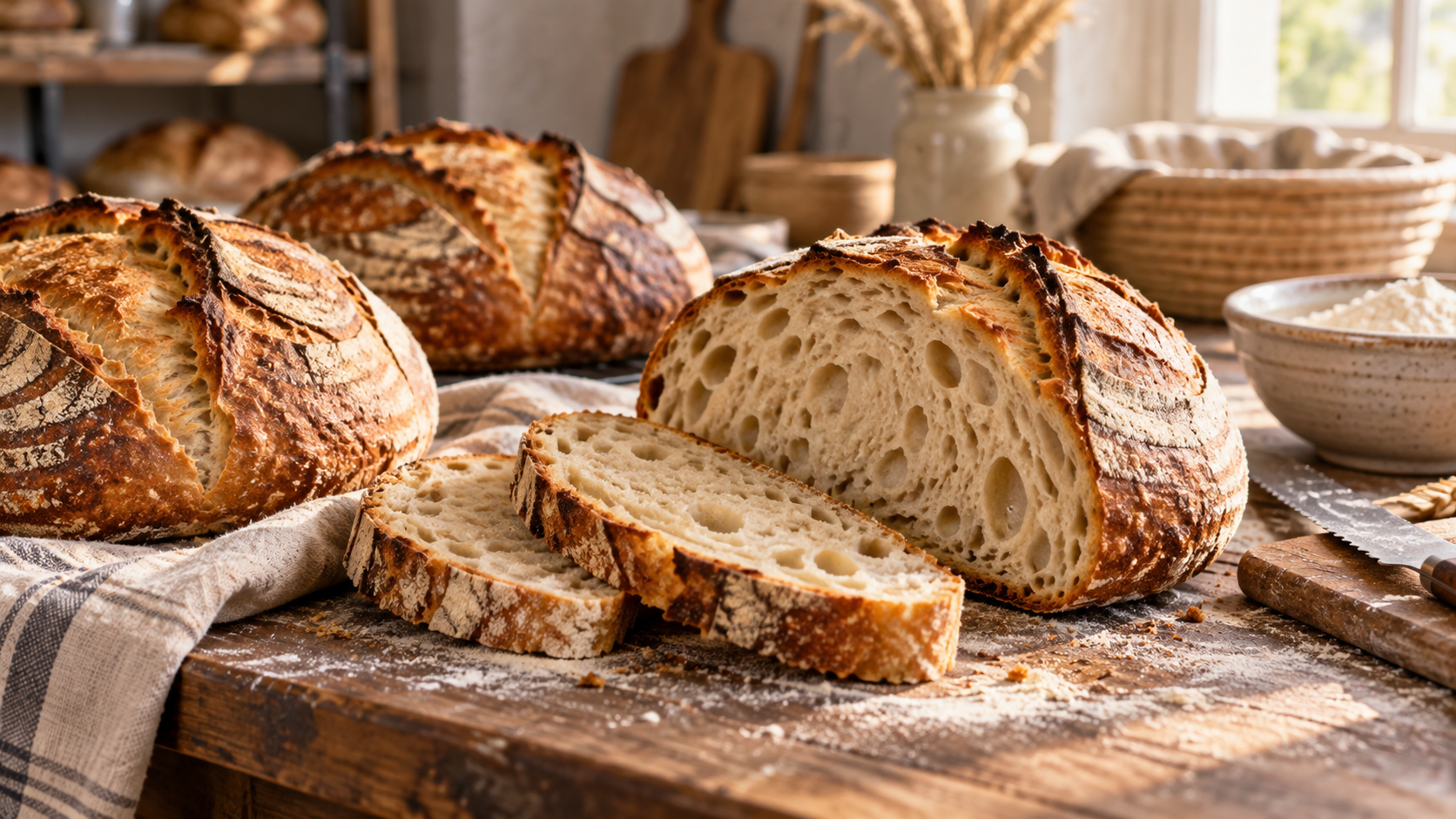
Industrial sourdough production is growing fast because shoppers want bread with better flavor, open crumb, soft bite, and a more natural image. However, making sourdough in a factory is not as simple as making more dough in a bigger mixer. In fact, sourdough is alive. It changes with time, heat, flour, water, and handling.
This becomes even harder when the formula uses high hydration. High-hydration dough often means better texture and larger holes, but it is also sticky, loose, and easy to damage. Therefore, bakeries need the right method, the right control points, and the right high hydration dough equipment.
For B2B bakeries, food plants, frozen dough suppliers, and bread brands, the goal is clear: keep artisan-style quality while reaching stable output. A well-planned sourdough bread production line can help make that happen.
Sourdough Production at Industrial Scale: Why High-Hydration Dough Is Hard to Control
High-hydration sourdough contains more water than standard bread dough. As a result, the dough feels soft, wet, and elastic. This gives the final bread a moist crumb and rich mouthfeel. Also, the long fermentation helps build flavor.
However, at industrial scale, this type of dough brings several common problems.
First, sticky dough can cling to belts, rollers, hoppers, dividers, and forming parts. This may slow production and raise cleaning time. Second, the dough structure can break if it is pressed too hard. Once gas cells are damaged, the bread may lose volume and crumb quality. Third, fermentation can move too fast or too slow if temperature and time are not well managed. Finally, dough weight and shape may vary if the line is not designed for soft dough flow.
Because of this, sourdough production at industrial scale needs gentle handling. It also needs steady control from mixing to proofing, baking, cooling, and packing.
Sourdough Bread Production Line: Key Steps from Starter to Finished Loaf
A modern sourdough bread production line should protect the dough while keeping output stable. Although every bakery has its own recipe, most industrial sourdough processes follow these steps.
First, the starter or levain must be prepared under stable time and temperature. This is the base of flavor. Next, flour, water, salt, and starter are mixed. For high-hydration dough, mixing should build enough gluten without overworking the dough.
Then, bulk fermentation begins. During this stage, the dough gains strength and flavor. After that, the dough is divided, rested, formed, proofed, scored or cut if needed, and baked. Finally, the bread must cool before slicing or packing.
At each step, the line must reduce rough force. For example, transfer belts should move smoothly. Dough pressing should be controlled. Also, dividing and forming should reduce tearing. In this way, the final loaf can keep the open crumb and handmade feel that sourdough buyers expect.
High Hydration Dough Equipment: What Bakeries Should Look For
Choosing high hydration dough equipment is not only about speed. It is about control. The best system should help the bakery handle sticky dough with less damage and less waste.
A good industrial line should include adjustable speed control, food-grade contact parts, stable belt transfer, accurate portioning, and easy cleaning. In addition, the line should allow recipe changes because sourdough formulas often vary by flour type, hydration level, fermentation time, loaf size, and product shape.
For soft dough, gentle dough pressing and forming are very important. If the dough is pressed too much, the gas structure may collapse. However, if it is not shaped enough, the loaf may lack strength. Therefore, the equipment must find the right balance.
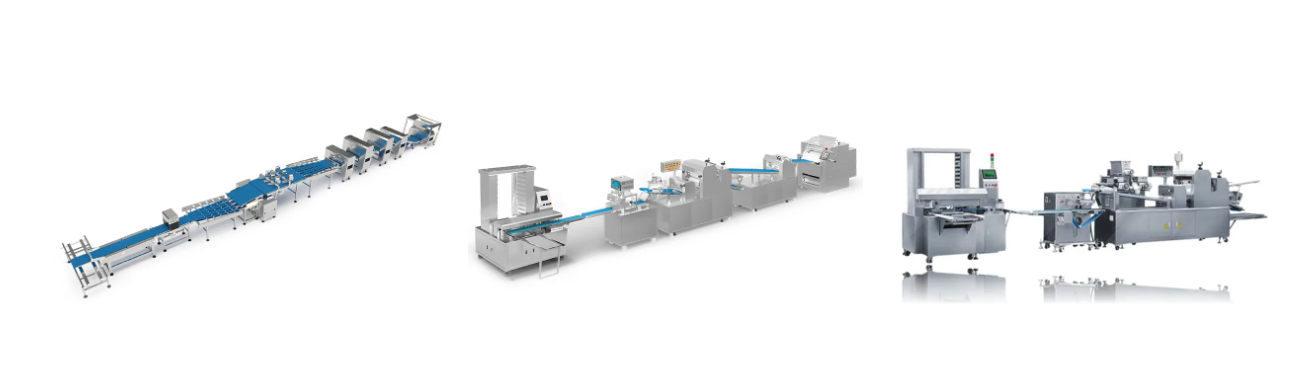
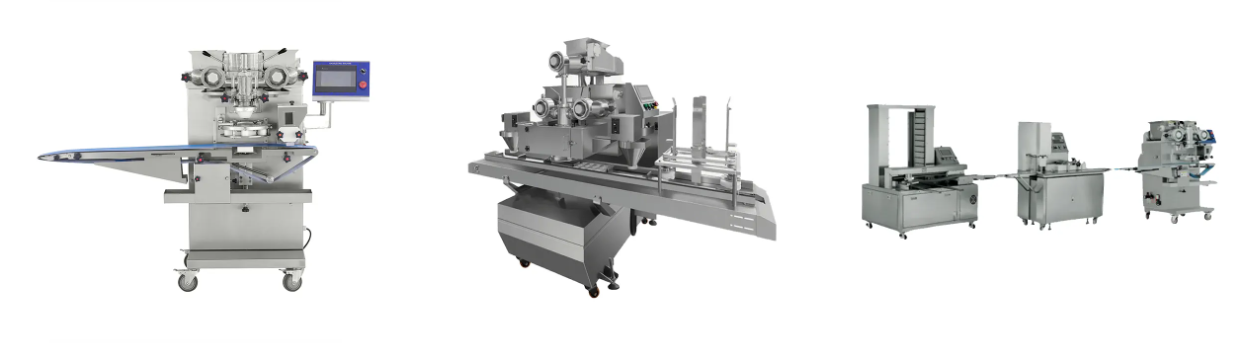
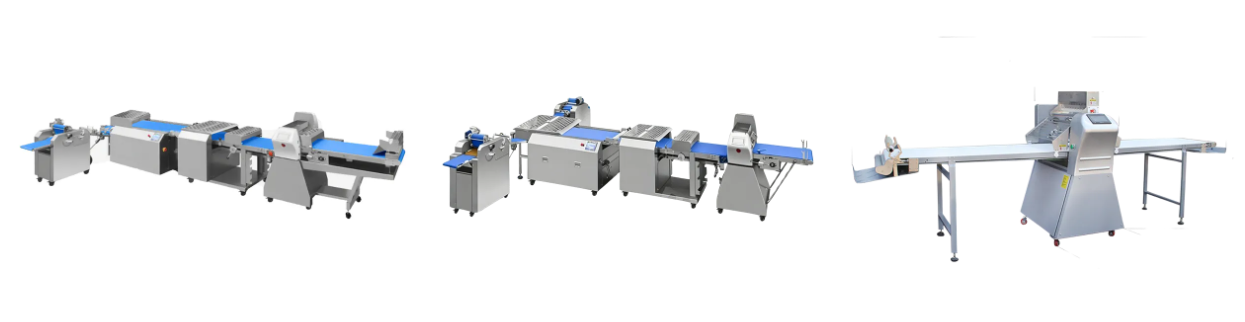
Henghao Bakery(Haopai Auto) offers bakery automation equipment and bread production line solutions for industrial users. Its product range includes bread production lines, pastry sheeters, dough laminators, cake and cookie machines, auxiliary equipment, and customized automation systems. You can view its full product range here:
Sourdough Production at Industrial Scale: Process Control Matters More Than Speed Alone
Many factories want higher capacity. That makes sense. However, for sourdough, speed without control can create more loss. Since sourdough is sensitive, every station must work as one system.
For example, dough temperature should stay within a target range. If dough gets too warm, fermentation can speed up. Then the dough may become weak and sticky. On the other hand, if it is too cold, fermentation may slow down and flavor may suffer.
Also, dough rest time matters. A short rest may make dough tight and hard to shape. Yet a very long rest may make dough too loose. So, a good line design should match the real formula and output target.
This is where automation can help. With PLC control, sensing systems, and adjustable settings, bakeries can keep a more stable process. According to Haopai Auto product information, Henghao bread production equipment can include PLC control, photoelectric sensing, adjustable operation, and customizable speed, size, and weight settings. These features are useful when bakeries need steady quality across long production runs.
Sourdough Bread Production Line Design: Gentle Handling from Dividing to Forming
Dividing and forming are often the most difficult stages for high-hydration sourdough. The dough is soft and active, so it can stretch, stick, and lose shape. Therefore, the line should move dough in a clean and smooth way.
For round breads, rolls, buns, and related products, accurate dividing is key. Henghao Bakery(Haopai Auto) lists a Burger Dough Buns Production Line that divides fermented dough into preset weights from 30g to 2000g with ±1% tolerance. While each sourdough project needs testing based on the recipe, this kind of accurate weight control is valuable for industrial bakery production.
For shaped bread and layered products, dough pressing and sheeting must be steady. Henghao’s High-Capacity Turnkey Bread Production Line uses a three-stage dough pressing process that is designed to preserve dough texture while supporting precise sizing and low weight variation. This can help bakeries reduce manual work while keeping a more consistent final product.
In addition, its automated industrial bread production line can support multi-variety production, adjustable product size and weight, and a mix of forming, conveying, filling, kneading, or cutting units. As a result, bakeries can plan a sourdough bread production line around both present products and future SKUs.
High Hydration Dough Equipment for Cleaning, Food Safety, and Uptime
High-hydration dough is sticky, so cleaning is a major part of line planning. If dough builds up on belts, rollers, or cutting parts, it may affect product weight and shape. It can also slow the team during shift changes.
Therefore, equipment should be easy to clean and built with food-safe materials. Smooth surfaces, open access, and simple changeover parts can reduce downtime. In addition, reliable controls help operators spot issues early.
For industrial sourdough production, uptime is not only about the machine running. It is also about keeping stable bread quality through the whole shift. A line that runs fast but needs frequent stops may not improve real output. By contrast, a well-matched line with easier cleaning and better control can support lower waste and better labor use.
Sourdough Production at Industrial Scale with Henghao Bakery(Haopai Auto) Solutions
Every sourdough product is different. Some brands want rustic round loaves. Others want sandwich sourdough, rolls, buns, or filled bread. Because of this, standard machines may not always be enough.
Henghao Bakery(Haopai Auto) focuses on one-stop food processing solutions and customized automation for food production. The company provides bakery and pastry production line equipment, bread machines, dough processing equipment, and support for process optimization. It also states that it offers customized services based on customer needs, with its own processing workshop and R&D team.
This is useful for B2B bakeries because industrial sourdough often needs line testing. For example, a bakery may need to test flour absorption, dough rest time, belt release, divider settings, and forming pressure. In many cases, small changes can make a big difference.
To learn more about the company background, visit About Henghao Bakery (Haopai).
High Hydration Dough Equipment Buying Tips for B2B Bakeries
Before investing in high hydration dough equipment, bakeries should review several points.
First, define the product clearly. Is it a rustic loaf, pan bread, roll, bun, or frozen dough? Next, confirm the hydration range, dough temperature, starter ratio, flour type, and fermentation time. Then, set the needed output per hour and the target weight tolerance.
After that, check how the equipment handles sticky dough. Ask about belt material, dusting options, oiling options, transfer angles, and cleaning access. Also, ask whether the line can be tested with your own formula.
In addition, think about future products. A flexible sourdough bread production line may cost more at first, but it can support new bread shapes and sizes later. This matters because the sourdough market keeps changing.
Finally, choose a supplier that can support installation, training, and after-sales service. Henghao Bakery(Haopai Auto) states that it provides overseas after-sales service, technical support, and customized equipment solutions, which can help reduce risk for industrial buyers.
Sourdough Bread Production Line FAQ: Industrial Scale Questions
What is the biggest challenge in industrial sourdough production?
The biggest challenge is keeping the dough stable while protecting flavor and structure. High-hydration sourdough is sticky and soft, so it needs gentle handling and steady process control.
Why does high-hydration dough need special equipment?
It sticks easily and can lose gas if handled too roughly. Therefore, high hydration dough equipment should offer smooth transfer, controlled pressure, accurate dividing, and easy cleaning.
Can automation keep artisan sourdough quality?
Yes, when the line is designed around the dough. Automation should not simply force the dough through the process. Instead, it should copy gentle handling in a stable and repeatable way.
What should buyers discuss with Henghao Bakery(Haopai Auto)?
Buyers should share product type, target capacity, hydration level, dough weight, layout needs, and packaging plan. Then the supplier can suggest suitable equipment or a custom sourdough bread production line.
Conclusion: Better Sourdough Production at Industrial Scale Starts with Better Control
Industrial sourdough production is a balance between craft and control. High hydration creates great bread texture, but it also makes dough harder to move, divide, shape, and clean. Therefore, bakeries need more than a fast line. They need a smart, gentle, and flexible system.
With the right sourdough bread production line, bakeries can raise output, reduce labor, improve weight control, and keep product quality steady. More importantly, they can bring sourdough’s natural taste and soft texture to more customers.
For B2B bakeries planning sourdough production at industrial scale, Henghao Bakery(Haopai Auto) provides bread production lines, dough processing equipment, and customized automation solutions. Explore the full product range here: Haopai (Henghao Bakery) Products.


