How to manage high-hydration dough on automated bread production lines
News Details
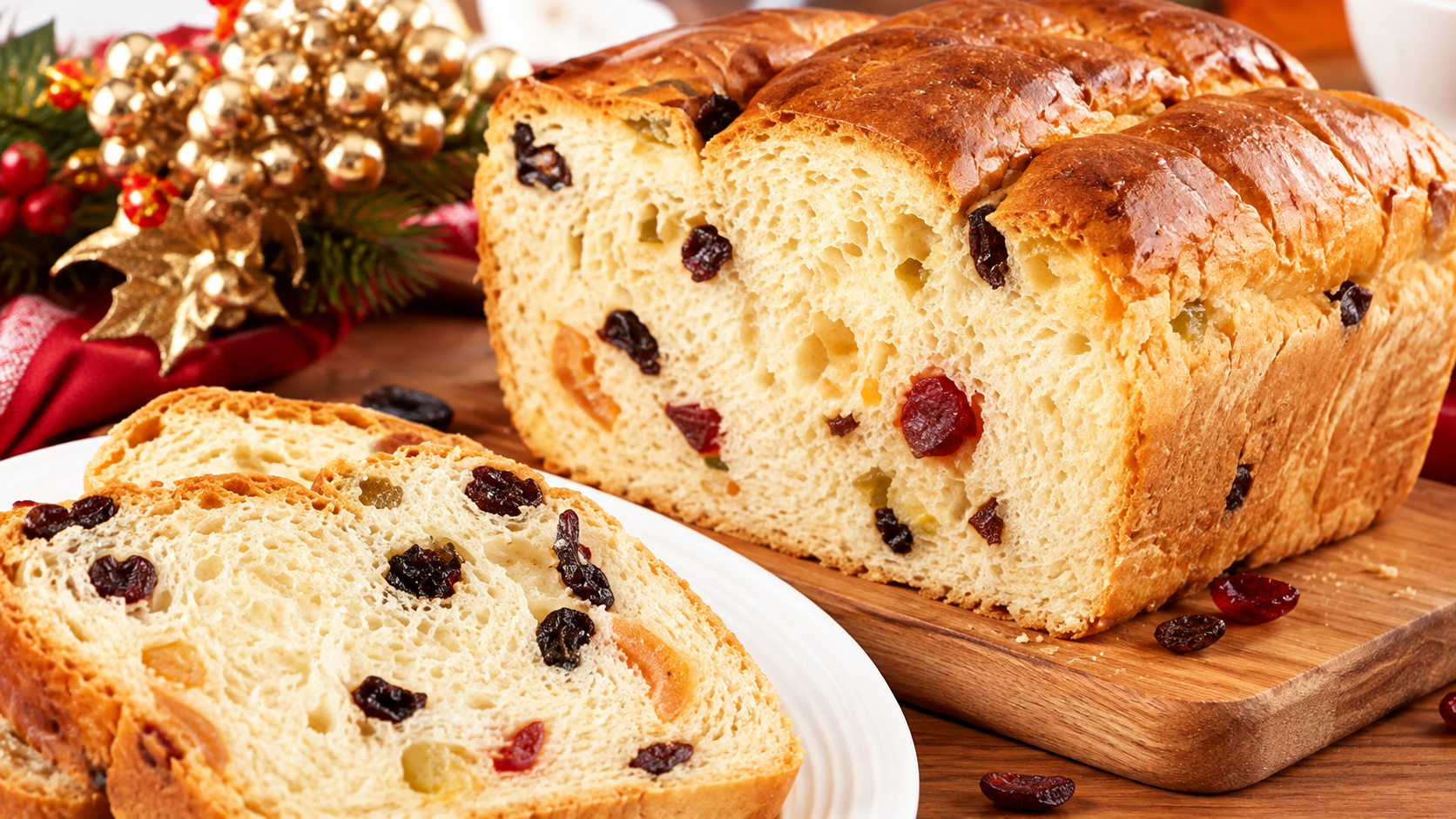
High-hydration dough can create soft bread with an open crumb and fresh texture. However, it is also wetter, softer, and harder to handle than standard dough.
For commercial bakeries, the challenge is clear: how can wet dough be divided, shaped, and moved at high speed without losing its structure?
The answer is to choose the right equipment and control the whole production process. This guide explains how to handle high-hydration dough on an automated bread line and what buyers should look for in high water absorption bread dough equipment.
Why High-Hydration Dough Is Difficult to Handle
High-hydration dough contains more water than standard bread dough. As a result, it is often softer and more sticky.
This can cause several problems on an automated line:
- Dough sticks to machine surfaces.
- Dough pieces can lose their shape.
- Dividing becomes less stable.
- Conveyor transfers can stretch the dough.
- Cleaning can take more time.
Therefore, a high hydration dough bread line needs more than high speed. It must also provide gentle and stable dough handling.
Dough temperature, flour type, mixing time, and fermentation also affect how the dough behaves. So, equipment should be selected based on the actual recipe rather than hydration level alone.
What Makes a Stress Free Dough Divider Machine?
A stress free dough divider machine should divide dough accurately while applying limited pressure.
This is especially important for wet dough. Too much pressure can damage the dough structure and affect the final bread volume.
When choosing a divider, buyers should check three points.
Accurate Dough Weight
Stable dough weight helps keep bread size and baking results consistent.
Henghao Bakery's Burger Dough Buns Production Line is designed for dough weights from 30 g to 2,000 g, with a stated tolerance of ±1%. It is designed for soft dough products such as buns, rolls, and bagels.
Gentle Dough Handling
The machine should move and divide dough smoothly. This helps reduce sticking, tearing, and unnecessary compression.
Adjustable Settings
Different recipes require different settings. Adjustable speed and weight settings can give bakeries more control when producing different bread products.
How to Build a High Hydration Dough Bread Line
A high hydration dough bread line should be designed as one connected system.
A typical process includes:
Mixing → Fermentation → Dividing → Rounding/Forming → Proofing → Baking → Cooling → Packaging
Each stage affects the next one.
For example, dough that is too warm after mixing may ferment too quickly. Likewise, excessive pressure during dividing can change the dough structure before forming.
Therefore, buyers should not select machines only by their maximum speed. The complete line should be balanced around the dough type, product weight, and target output.
High Water Absorption Bread Dough Equipment
The right high water absorption bread dough equipment can help improve dough consistency and production stability.
The mixer should provide stable mixing time and speed while helping control dough temperature. After mixing, the dough may need suitable resting or fermentation conditions before dividing.
Forming equipment is also important. Soft dough should be shaped without excessive pressure, especially when the final product needs an open crumb structure.
Conveyors also deserve attention. Poorly designed transfer points can stretch or deform wet dough. Buyers should check:
- Belt speed control
- Transfer distance
- Product spacing
- Contact surface materials
- Cleaning access
A smooth transfer from one machine to the next can make a major difference during continuous production.
How Automation Improves High-Hydration Bread Production
Automation can improve more than production speed.
A well-designed automated line can provide more stable dough weight, product spacing, machine speed, and forming conditions. This helps reduce variation during long production runs.
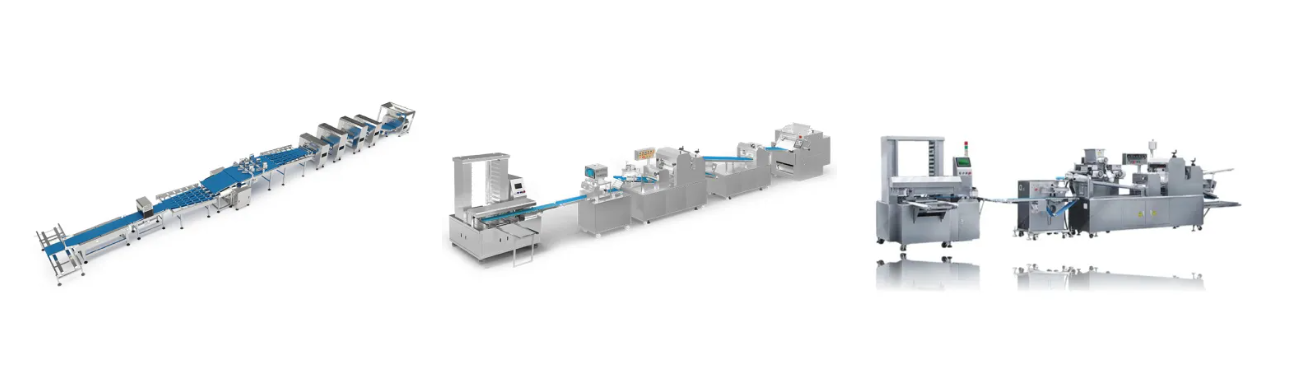
Henghao Bakery provides automated bakery equipment and complete production line solutions for commercial and industrial applications. Its range includes bread production lines, dough processing machines, pastry equipment, and other bakery machinery.
For example, Henghao's HM-1510 high-speed industrial bread production line is designed for high-volume production. The company states that the line can reach up to 650 pieces per minute, with a stated weight tolerance of ±2 g, depending on the production setup.
For soft dough products, Henghao also offers its Burger Dough Buns Production Line, which combines dough dividing and rounding for applications such as buns, rolls, and bagels.
You can learn more about [Henghao Bakery's company and production capabilities](/about) or explore its [full range of bakery machinery](/products/category/All products).
Common Problems on High-Hydration Dough Lines
Dough Sticks to the Machine
Check dough temperature, machine settings, and contact surfaces. Adding more flour is not always the best solution because it can change the recipe.
Dough Loses Its Shape
This can happen when forming pressure is too high or conveyor transfers are not smooth.
Dough Weight Is Uneven
Unstable dough feeding or incorrect divider settings can cause weight variation. The divider and upstream feeding system should be checked together.
Production Speed Is Unstable
The complete line must be balanced. A fast divider cannot improve output if forming, proofing, or baking becomes a bottleneck.
What Should Buyers Ask Before Buying?
Before purchasing high water absorption bread dough equipment, provide the supplier with clear production information.
Ask about:
- Dough hydration and recipe
- Dough weight range
- Target output per hour
- Dough temperature
- Fermentation process
- Divider accuracy
- Forming method
- Conveyor design
- Cleaning requirements
- Factory testing
Testing with the actual dough is especially useful. It can show whether the dough sticks, deforms, or loses weight accuracy during continuous production.
Conclusion: Design the Line Around the Dough
High-hydration dough can be difficult to automate, but the right equipment can make production more stable.
A stress free dough divider machine helps control dough weight while reducing unnecessary pressure. Suitable high water absorption bread dough equipment supports stable mixing, dividing, forming, and transfer. A well-designed high hydration dough bread line then connects these processes into one efficient system.
For commercial bakeries, the goal should not simply be maximum speed. Instead, focus on stable output, accurate dough weight, gentle handling, easy cleaning, and consistent bread quality.


