Commercial Bread Production Line Buying Guide for Large Bakeries
News Details
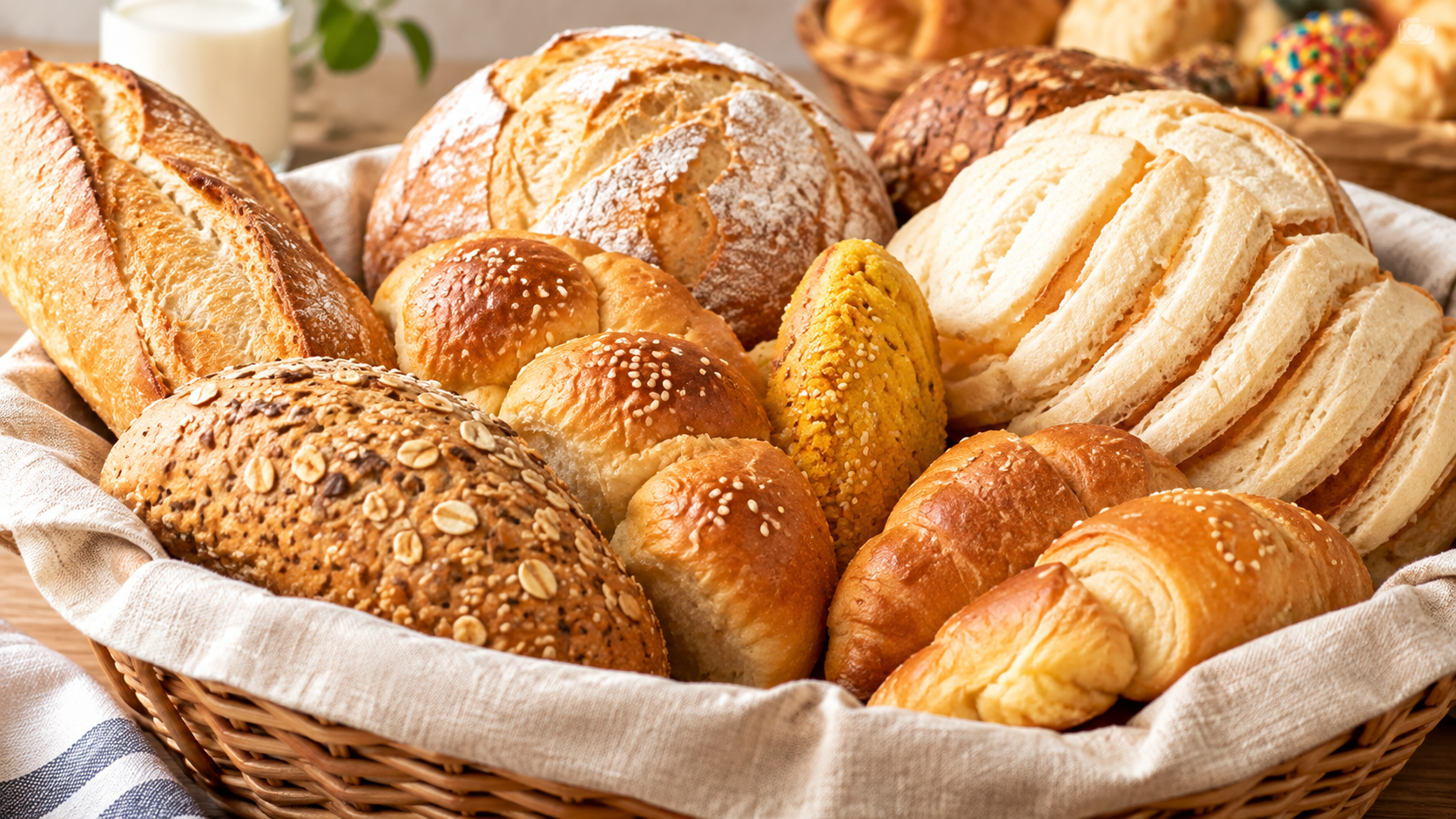
Investing in a commercial bread production lineis a significant decision for large-scale bakeries. The right system can increase production efficiency, reduce labor costs, and ensure consistent bread quality. However, selecting equipment based solely on initial machine cost may lead to higher long-term expenses.
Therefore, bakery owners and procurement teams should evaluate the entire production process. Capacity, automation level, product type, factory layout, energy consumption, maintenance requirements, and after-sales service are all critical considerations.
This guide outlines the essential factors B2B buyers should assess before investing in a commercial bread production line.
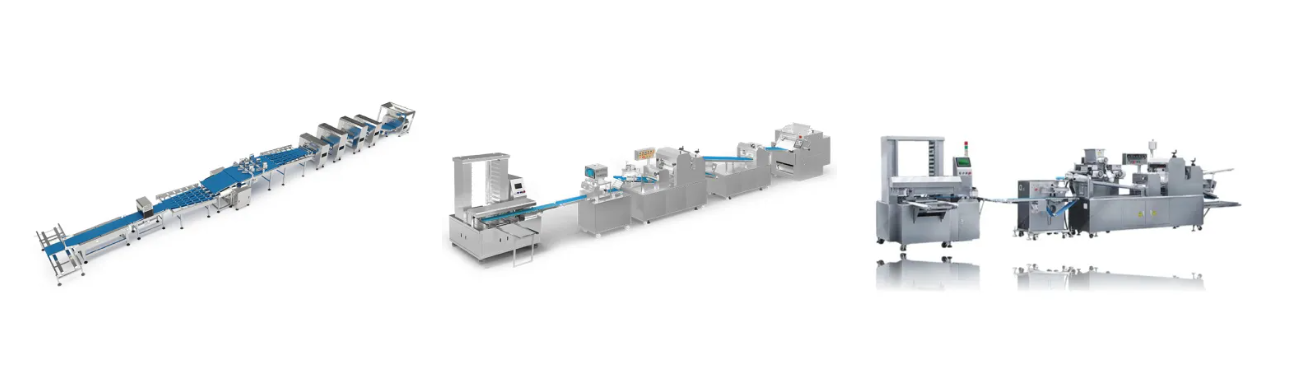
What Is a Commercial Bread Production Line?
A commercial bread production line integrates multiple machines into a unified production system. Depending on the product, it can encompass dough mixing, dividing, rounding, molding, proofing, baking, cooling, and packaging.
Instead of manually transferring dough between separate machines, an automated system facilitates a more continuous workflow. This enables large bakeries to produce higher volumes of bread with reduced manual labor.
For instance, a typical line may include:
-
Industrial dough mixers
-
Dough dividers and rounders
-
Dough molders or sheeters
-
Filling equipment
-
Proofing equipment
-
Baking ovens
-
Cooling conveyors
-
Packaging equipment
The specific configuration depends on the bread type, target output, and factory layout.
How to Determine the Appropriate Bread Production Capacity
Capacity should be the primary parameter you define.
Avoid simply choosing the fastest machine available. Instead, calculate your actual production requirements. Consider your current sales volume, projected growth, working hours, product weight, and peak-season demand.
For example, a bakery producing several thousand units per hour may require a high-speed automated line, while a smaller central kitchen might benefit from a more compact system.
It is also crucial to evaluate the capacity of each production stage. If the mixer can handle 5,000 units per hour but the molder can only process 3,000, the molder becomes a bottleneck.
Consequently, the entire line should be balanced from mixing to packaging.
What Factors Influence the Cost of an Industrial Bread Line?
The cost of an industrial bread line can vary considerably. There is no universal price for every bakery project, as each line is customized to specific production requirements.
The primary cost determinants include:
Production Capacity
Higher output typically necessitates larger motors, wider conveyors, more robust components, and faster control systems. As a result, a high-capacity line will cost more than a smaller-scale production system.
Automation Level
A semi-automatic line requires more manual intervention. A fully automated system can integrate more processes and reduce repetitive labor.
While full automation entails a higher initial investment, it can lower labor costs over the equipment's lifespan.
Bread Type
Plain toast, burger buns, sandwich bread, filled bread, and specialty bread may require distinct forming and filling equipment.
Therefore, product variety can increase the overall equipment cost.
Customization
Factory layout, dough weight, line speed, voltage, conveyor length, and product dimensions can all influence the final design.
For this reason, buyers should request a comprehensive quotation based on their actual production requirements rather than solely comparing machine prices.
Installation and Logistics
Shipping, installation, operator training, spare parts, and local service should also be factored into the total investment calculation.
Henghao Bakery highlights that production line costs depend on factors such as output, automation level, product specifications, installation, maintenance, shipping, and technical support.
Which Machines Should a Large Bakery Incorporate?
A large bakery should design its line around its complete production workflow.
Dough Mixing System
The mixer prepares large batches of dough with consistent mixing time and quality. The appropriate mixer capacity should align with the output of downstream machines.
Dough Divider and Rounder
A divider portions dough into equal pieces. A rounder then ensures each piece has a uniform shape.
This step is critical, as weight variation can impact proofing, baking, and final product size.
Dough Molder and Sheeter
Molding and sheeting equipment shapes dough for various bread products. The machine should offer flexible adjustments for product size and weight.
Proofing System
Proofing requires stable temperature and humidity. Inadequate control during this stage can lead to inconsistencies in volume and texture.
Oven and Cooling System
The oven must match the line's capacity. After baking, cooling conveyors allow products to reach an appropriate temperature before packaging.
A production line equipped only with fast forming machinery but a slow oven will still face capacity limitations.
The Significance of Automation in an Automated Bread Manufacturing Plant
An automated bread manufacturing plant utilizes interconnected machinery and control systems to minimize manual labor.
Automation offers several advantages.
Firstly, it enhances production consistency. Machine settings can be replicated from one batch to the next.
Secondly, it reduces repetitive tasks. Workers can focus more on quality control, machine operation, and production management.
Thirdly, automation improves material handling. Precise dough dividing helps minimize weight variations and product waste.
Finally, an integrated system simplifies scaling up production as demand increases.
However, automation does not imply that every bakery requires the most complex system. The optimal solution is the level of automation that aligns with the bakery's products, labor costs, production targets, and budget.
Henghao Bakery Solutions for Large-Scale Bread Production
Henghao Bakery Machinery provides automated bakery equipment and comprehensive production line solutions for commercial and industrial applications.
Its product portfolio includes bread production equipment, dough processing machines, pastry lines, cake equipment, and other bakery automation systems.
For high-volume bread production, Henghao's HM-1510 High-Speed Automated Industrial Bread Production Line is engineered for large-scale operations. The system can achieve an output of up to 650 pieces per minute and features a stated weight tolerance of ±2 g.
Henghao also offers a fully automated multi-layer bread production line. Its system can incorporate primary, secondary, and tertiary forming units, slitting equipment, transition conveyors, filling equipment, and cutting units. Production speed, dimensions, and weight can be adjusted to meet project-specific requirements.For buyers planning a new factory or production upgrade, you can learn more about Henghao Bakery's company and engineering capabilities on the
Henghao Bakery About Us page
. You can also explore theHenghao Bakery product range
to compare available bakery machinery and production line solutions.How to Evaluate a Supplier Before PurchaseA high-quality machine is only one component of a successful bakery project. The supplier is equally important.
Before placing an order, inquire with the manufacturer about:
- Factory and production expertise
It is also advisable to request videos or references from comparable bakery projects.
More importantly, provide detailed information about your dough and products. A professional supplier should understand your recipe, dough weight, product size, output target, and factory layout before recommending equipment.
How to Calculate the Total Investment
Do not rely solely on the equipment quotation to estimate your project budget.
Instead, consider the total cost of ownership:
Total investment = equipment + shipping + installation + utilities + labor + maintenance + spare parts
Simultaneously, estimate the potential cost savings from automation.For instance, a faster line may increase output. Improved dough weight control may reduce material waste. Reduced manual labor requirements may lower operational expenses.
Therefore, the least expensive machine is not always the most cost-effective solution over several years.
What Should Buyers Inquire Before Placing an Order?
Prior to purchasing a commercial bread production line, prepare a detailed specification sheet.
Include:
- Bread type and recipe
Then request the supplier to design the line based on these requirements.
A factory planning expansion should also reserve adequate space for future equipment. This can prevent significant layout modifications down the line.
Final Checklist for a Commercial Bread Production Line
Before finalizing the purchase contract, verify the following points:
- Is the line capacity suitable for your actual demand?
A commercial bread production line is a long-term investment. Therefore, buyers should focus on the entire production system rather than a single machine or price point.
For large bakeries, the optimal solution is typically a well-balanced line that combines consistent output, appropriate automation, ease of operation, and reliable technical support. With the right system design, an automated bread manufacturing plant can enhance efficiency while maintaining consistent product quality as production scales.


