Cookie Depositor Buying Guide: Butter Dough Machine
News Details

Baking butter cookies and shortcrust biscuits on a large scale requires speed, accuracy, and consistency. Hand shaping takes too much time and labor. Therefore, investing in an automatic cookie depositor is a smart step for growing bakeries. This clear guide helps you understand how these machines handle soft and firm doughs and what features you should look for before buying.
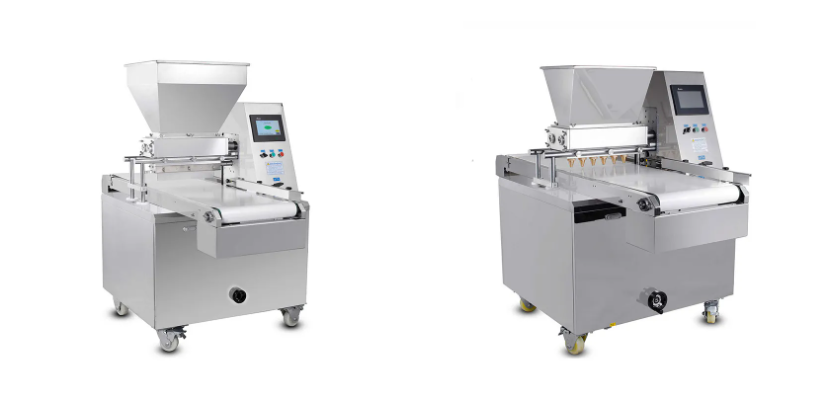
Understanding the Automatic Cookie Depositor Mechanism
An automatic cookie depositor is a special piece of commercial baking equipment. It helps you shape and place dough onto baking trays automatically. Instead of manual piping, it uses precise motors and mechanical feeds. This process ensures every cookie has the exact same weight and shape.
Modern depositors offer multiple functions. These include wire-cutting, piping, and rotating drop movements. As a result, bakeries can create a wide variety of shapes with minimal effort. You can easily make classic butter spirals, smooth swirls, and flat shortcrust biscuits on the same line.
In addition, these machines save a huge amount of daily labor costs. Small and large bakeries alike use them to boost daily output without losing product quality. Because the machine handles the heavy work, your team can focus on baking, packing, and sales.
Furthermore, automated depositors help reduce dough waste. Manual piping often leads to uneven sizes and odd shapes. Uneven cookies burn or stay raw in the oven. But a smart depositor puts the exact same amount of dough on every spot. Thus, every biscuit bakes evenly, and you throw away fewer bad batches.
Handling Butter and Shortcrust Dough Challenges
Butter dough and shortcrust dough have very different textures. These textures directly affect how a machine processes them inside the hopper.
Depositing Soft Butter Dough
Butter dough is soft, rich, and smooth. A good butter cookie making machine uses smooth pump systems to gently push the dough through shaping nozzles. It must do this without overworking the fat inside the mix. If the machine generates too much heat, the butter melts early. This damages the final texture and ruins the pretty biscuit pattern.
Besides, soft dough can stick to metal surfaces. A high-quality machine uses food-safe non-stick parts to keep the flow smooth. It also allows you to adjust the pump speed quickly. So, even if your room temperature changes, your cookies stay uniform.
Processing Firm Shortcrust Dough
Shortcrust dough is much firmer and denser than butter dough. Pushing it through standard nozzles requires higher pressure. For this reason, a sturdy cookie extrusion machine relies on heavy-duty rollers and strong wire-cut mechanisms. These parts cleanly cut thick dough slabs into uniform pieces without clogging or tearing.
Firm doughs can also wear down light machinery over time. That is why heavy steel gears and strong drive motors are necessary. When you choose a machine built for firm dough, you avoid frequent breakdowns during busy production runs.
Key Features to Consider Before You Buy
When evaluating equipment for your production line, focus on these critical factors to ensure smooth operation:
1. Dough Compatibility and Hopper Design
Make sure the feed hopper and rollers can handle both soft butter mixtures and stiff shortcrust recipes seamlessly. A versatile machine lets you switch between different product lines without buying extra equipment.
2. Dosing Precision and Weight Control
Look for servo-motor controls that maintain tight weight tolerances across every row on the tray. Accurate dosing stops material waste and keeps your packaging weights legal and exact.
3. Production Speed and Capacity
Choose a system that matches your oven capacity to prevent bottlenecks in your plant. If your machine deposits faster than your oven can bake, your dough sits out too long and loses freshness.
4. Cleaning, Hygiene, and Maintenance
Quick-disassembly hoppers and food-grade stainless steel parts save hours of cleaning time between batches. Easy maintenance keeps your plant sanitary and lowers labor downtime every day.
5. Tray Feeding and Conveyor Systems
Automated tray feeders move baking pans smoothly under the deposit head. This prevents dough smears and keeps your rows straight. Make sure the conveyor speed matches your target output rate.
Why Choose Henghao Bakery Machinery Solutions
Henghao Bakery (Haopai Auto) designs top-tier food processing technology built for industrial reliability and simple operation. We focus on building user-friendly machines that cut down working hours and raise daily factory profits. You can explore our complete machine lineup on our All Products page to find flexible options for your production needs.
Our automated cookie extrusion and depositing equipment offers:
-
Advanced Servo Controls: Easy adjustment of deposit speed, tray height, and dough volume via a simple touchscreen interface.
-
Durable Stainless Construction: Full 304 stainless steel builds that comply with international food safety standards.
-
Versatile Nozzle Heads: Swappable attachments that let you change patterns and dough types in a few minutes.
-
Stable Conveyor Drive: Smooth tray movements that prevent soft cookies from shaking or losing shape before baking.
To learn more about our manufacturing experience, factory history, and quality standards, feel free to visit our About Us page.
How to Maintain Your Cookie Depositor
Proper care keeps your machine working like new for many years. Follow these easy daily steps to keep your equipment running smoothly:
-
Clean After Every Shift: Wash the hopper, rollers, and nozzles with warm water and food-safe cleaner to remove all grease and flour.
-
Inspect Moving Parts: Check the wire-cut blades and drive belts regularly to catch wear and tear before parts break.
-
Lubricate Gears: Apply food-grade grease to mechanical joints to prevent friction and noise.
-
Update Touchscreen Settings: Save your favorite recipe programs in the computer memory so operators can load correct speeds instantly.

Final Steps for Upgrading Your Production
Selecting the right depositing equipment comes down to knowing your daily output goals and dough recipes. By upgrading to a modern depositor, you cut labor costs, reduce material waste, and deliver uniform, high-quality cookies to your customers every single time. Contact our team today to find the perfect machine for your bakery business.


