Hygienic Design in Bakery Equipment: What Food Manufacturers Should Inspect
News Details
In commercial food plants, bread, pastries, and snacks move down high-speed production lines every single day. However, fine flour dust, sticky dough, and sweet syrups often build up inside heavy machinery. When these food residues hide in tight spots, harmful bacteria can grow very quickly. Because of this risk, smart food manufacturers look closely at hygienic design bakery equipment before buying new production lines.
Good equipment design prevents food contamination, protects your brand reputation, and reduces cleaning downtime. So, how can plant managers know if a machine meets high sanitation standards? Here is a clear guide on what food manufacturers must inspect to maintain top-tier bakery sanitation while choosingeasy clean bakery equipment.
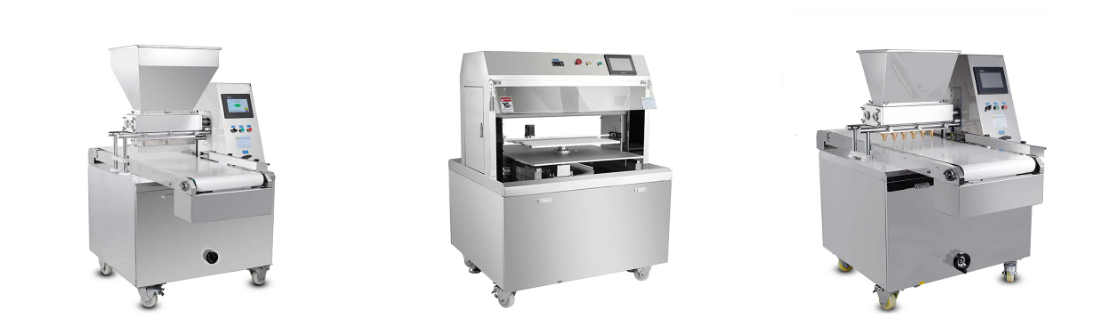
1. Smooth Frame Surfaces and Sloped Geometry
When you inspect new machinery, the first thing to check is the outer frame. Flat, horizontal metal surfaces are a big problem because water, flour, and cleaning chemicals gather on top of them. Over time, standing water leads to mold growth and rust.
Instead, high-quality hygienic design bakery equipment uses sloped surfaces and rounded tubes.
-
Sloped Covers: Water drains off quickly after washing.
-
Tubular Frames: Round frames eliminate sharp corners where dough debris likes to hide.
-
Continuous Welds: Smooth, continuous welds prevent tiny cracks where bacteria usually hide.
As a result, your sanitation team can spray down machines without worrying about water pooling in hidden corners.
2. Material Quality and Food-Grade Contact Surfaces
Not all metals are built the same way. In fact, low-grade metals react badly when exposed to yeast, dough acids, or harsh cleaning sprays.
Therefore, you should always check the material grade of all food-contact zones:
-
304 or 316 Stainless Steel: Strong, rust-resistant stainless steel is essential for frames, rollers, and hoppers.
-
Food-Grade Polymers: Belts, scrapers, and seals must use certified food-grade plastics like FDA-approved polyurethane or PE-HD.
-
Smooth Surface Finish: Metals with a low surface roughness (Ra) prevent sticky dough from clinging to the machine.
By picking premium materials, your machinery resists corrosion and stays smooth for many years.
3. Tool-Less Disassembly for Easy Clean Bakery Equipment
Traditional bakery machines often require hand tools, wrenches, and hours of labor just to remove a single belt or roller. Consequently, workers might skip deep cleaning steps when schedules get tight.
Modern easy clean bakery equipment solves this issue through smart mechanical engineering. During your machinery evaluation, look for quick-release levers, tool-free belt tensioners, and open-frame designs.
| Traditional Bakery Machines | Modern Easy Clean Bakery Machinery |
| Requires wrenches and screwdrivers for teardown | Tool-free quick-release latches and knobs |
| Hard-to-reach belt undersides | Cantilevered frames for fast belt removal |
| Long cleaning cycles and high labor costs | Quick washdowns and short maintenance breaks |
| High risk of trapped flour dust | Open accessibility for instant visual checks |
When teardown is simple, your operators can perform deep cleanings faster, which boosts your daily plant throughput.
4. Elimination of Dead Legs and Crevices
In the world of bakery sanitation, a "dead leg" is any gap, deep thread, or hollow cavity where water or product rests without moving. These tight spaces are extremely dangerous because standard washdown nozzles cannot clean them out.
To avoid hidden hazards, inspect these tiny details:
-
Exposed Screw Threads: Screws inside food zones should be covered with hygienic caps or replaced with smooth studs.
-
Hollow Frame Legs: Legs must be fully welded shut at the top and bottom so water cannot seep inside.
-
Hygienic Seals: Rubber gaskets must fit tightly against metal joints without leaving gaps or overlapping edges.
Ultimately, eliminating these micro-hides keeps your dough pure and your batch quality consistent.
5. IP-Rated Water Protection for Washdown Safety
Bakery lines use both dry cleaning (vacuuming flour dust) and wet cleaning (high-pressure water washdown). If motors, sensors, and electrical cabinets are not sealed correctly, water can destroy sensitive electronics during cleaning routines.
For reliable bakery sanitation, ensure electrical enclosures carry an IP66 or IP69K rating. An IP69K rating means the machine easily withstands close-range, high-temperature, high-pressure water jets. Thus, your staff can wash down equipment without breaking delicate parts.
How Haopai (Henghao Bakery) Delivers Superior Hygienic Design Bakery Equipment
When building modern automated bakery lines, choosing a trusted machinery manufacturer is critical. Haopai (Henghao Bakery) designs high-performance automated solutions specifically built around strict international food safety standards.
By blending precise engineering with sanitary principles, Haopai helps commercial bakeries streamline production while protecting product quality.
Smart Sanitary Features Across Haopai Products
-
Full Stainless Steel Construction: Haopai automated production lines use heavy-gauge stainless steel frames that endure demanding industrial environments.
-
Open-Frame Machinery: Open structures allow operators to easily inspect belts, chains, and drives during routine shifts.
-
Quick-Change Modular Belts: Haopai equipment features quick-release belt mechanisms, making cleaning and maintenance simple and fast.
-
Smooth Automated Dough Handling: Gentle, sanitary dough rollers reduce dough buildup, lowering the time needed for mid-shift scrapings.
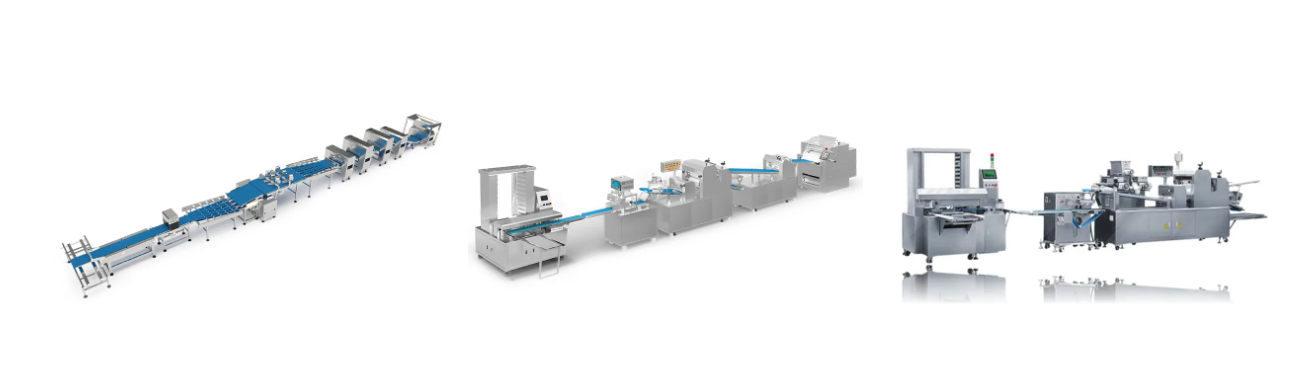
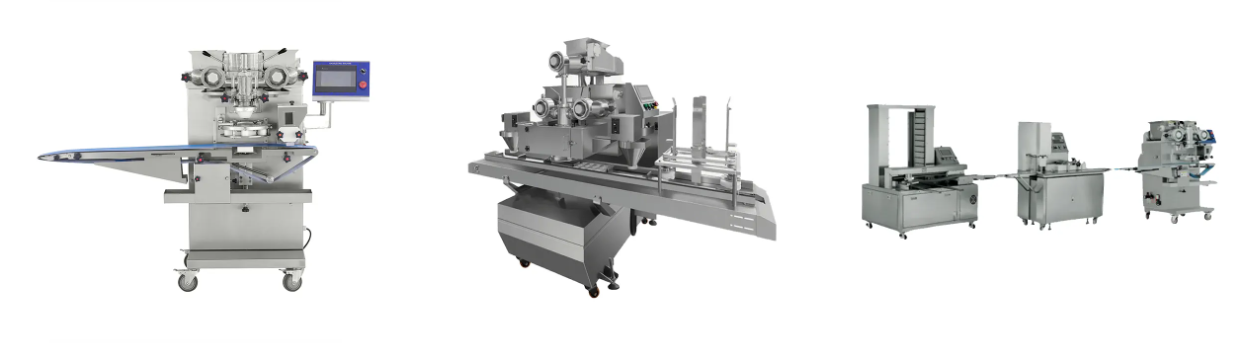
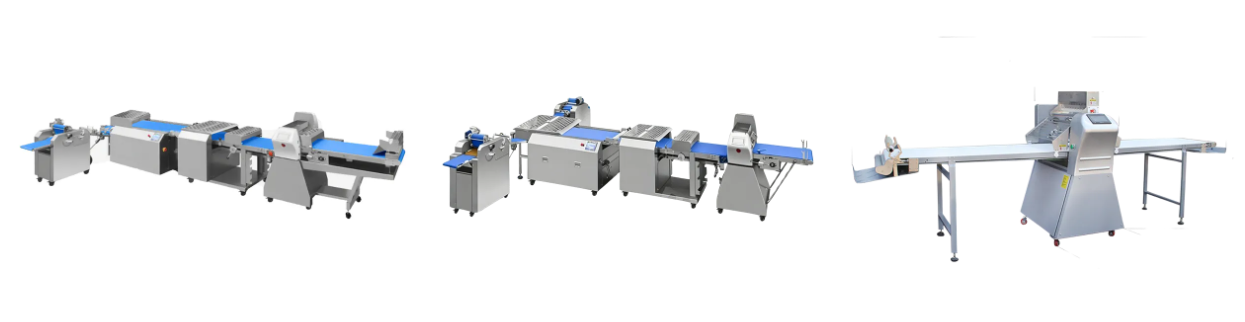
Whether you produce toast, soft bread, flaky pastries, or specialized dough snacks, Haopai machinery helps you keep your plant clean, efficient, and fully compliant.
Key Takeaways for Food Manufacturers
Investing in sanitary equipment is one of the smartest decisions a commercial bakery can make. By inspecting machinery frames, material grades, tool-free access, and IP-rated seals, you secure your production line against contamination risks.
In the long run, easy clean bakery equipment lowers labor costs, protects consumers, and keeps your bakery running smoothly day after day.


