Bakery Production Line Cost: 10 Factors That Determine Your Investment
News Details
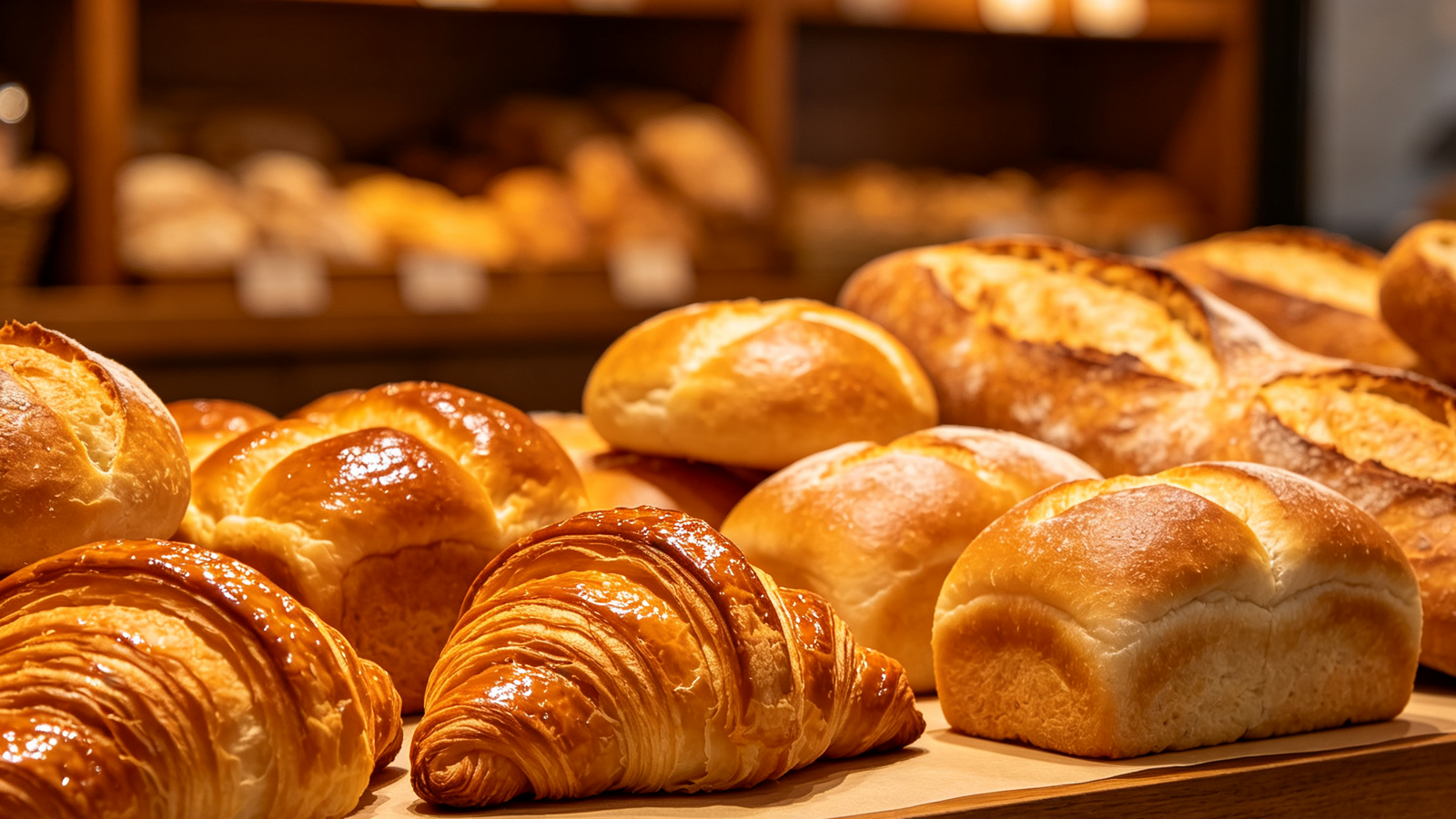
Setting up a commercial bakery requires a clear plan for your budget. Many bakery owners want to know the true bakery production line cost before they buy new machinery. However, price tags can vary a lot based on your choices. From machine size to output capacity, many factors shape your total spend.
In this guide, we break down 10 big factors that decide your equipment investment. We also show how high-quality systems like Henghao Bakery machinery help you boost your overall bakery automation ROI.
1. Daily Output and Production Capacity
First, your daily volume target plays the biggest role in your initial investment. High-speed systems need stronger motors, larger conveyors, and heavy-duty parts. Therefore, a line built to produce thousands of items per hour will cost more than a small batch setup.
When you plan your project, match your current sales goals with future growth. Buying a system that scales easily prevents you from replacing your setup too early.
2. Level of Automation and Control Systems
Next, the level of machine smarts changes the industrial bakery equipment price quickly. Semi-automatic machines require manual labor to load or move dough. In contrast, fully automated lines use advanced PLC touch screens, robotic arms, and precise sensors.
Although fully automatic systems carry a higher upfront cost, they lower labor expenses over time. As a result, automating repetitive tasks improves product consistency and boosts long-term profit margins.
3. Product Diversity and Machine Customization
Furthermore, the types of baked goods you make affect your costs. Standard lines for plain toast are simpler and cheaper. However, making multi-layer pastries, filled buns, or specialty shapes demands extra modules.
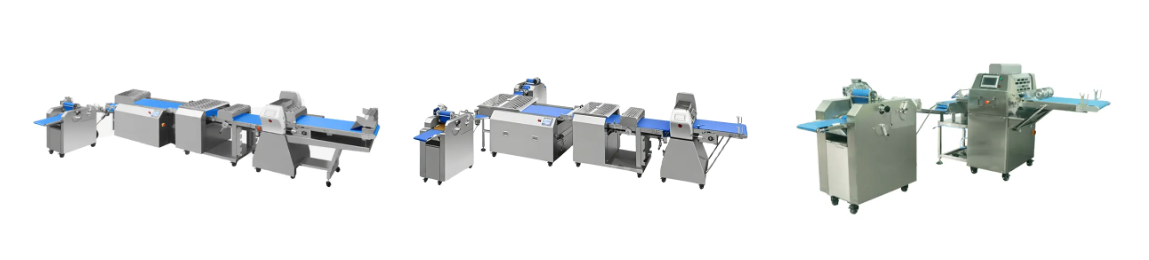
For instance, producing flaky pastries requires precise dough laminating and folding steps. You can explore a real-world example with our Complete Industrial Croissant & Viennoiserie Production Line, which integrates dough sheeting, filling, and shaping into one streamlined process.
4. Quality of Materials and Build Standards
In addition, food safety rules require high-grade build materials. Machines made with food-grade 304 stainless steel cost more than those built with basic metals.
However, stainless steel resists rust, handles heavy washdowns, and lasts much longer. Investing in food-safe materials protects your brand from food contamination risks and reduces ongoing repair bills.
5. Machine Footprint and Facility Layout Needs
Also, the physical size of your factory changes overall costs. Compact production lines fit tight spaces and save real estate fees. On the other hand, long modular lines need large facility footprints, special flooring, and dedicated utility drops.
Choosing modular equipment allows you to adjust the line layout to fit your existing plant, which cuts down on building renovation costs.
6. Energy Efficiency and Utility Usage
Additionally, running bakery machinery takes significant power, steam, and compressed air. Energy-efficient ovens, smart drive motors, and heat-recovery systems may increase the purchase price.
Yet, low-energy machinery keeps utility bills down every single month. Over several years, energy savings add up and significantly improve your total return on investment.
7. Custom Tooling and Quick-Change Attachments
Besides standard operations, custom baking demands special accessories. Cutting dies, stamping heads, filling injectors, and specialty trays all add to the total setup cost.
If your facility runs multiple product recipes on one main line, choose quick-change tooling designs. Fast changes cut downtime during product switches, which keeps your line running and earning money.
8. Installation, Testing, and Staff Training
Moreover, you must account for post-purchase setup costs. Professional installation, line testing, and training for your operator team require dedicated time and budget.
Working with an experienced manufacturer ensures smooth commissioning. At Henghao Bakery, our expert engineering team provides step-by-step guidance to ensure your line operates safely from day one. Learn more about our full-service engineering support on our About Us page.
9. Maintenance Needs and Spare Parts Supply
Similarly, ongoing care keeps your machines working smoothly for years. High-end equipment uses durable, standardized parts that are easy to maintain.
While cheap machinery seems attractive at first, rare or weak spare parts lead to frequent breakdowns. Spending money on durable components prevents costly factory stops later on.
10. Shipping, Duties, and Global Support
Finally, shipping costs, import duties, and transit insurance affect your final investment. Buying from overseas suppliers requires clear freight planning and reliable local support.
Partnering with an experienced exporter ensures safe packing, smooth customs clearance, and timely arrival of all critical machine parts.
Calculating Your Bakery Automation ROI with Henghao Bakery
To wrap up, understanding your total bakery production line cost involves looking beyond the starting price tag. While high-grade machinery requires a solid upfront investment, it lowers labor needs, reduces material waste, and boosts daily output.
At Henghao Bakery, we design reliable, food-grade automated equipment tailored to your production goals. Our engineering team helps you select the right machine modules so you get maximum productivity, high product quality, and the best possible bakery automation ROI.
Contact our team today to get a tailored quote for your facility.


