Cake Depositor Machine Selection Guide: Batter Type, Accuracy, Molds and Changeover
News Details
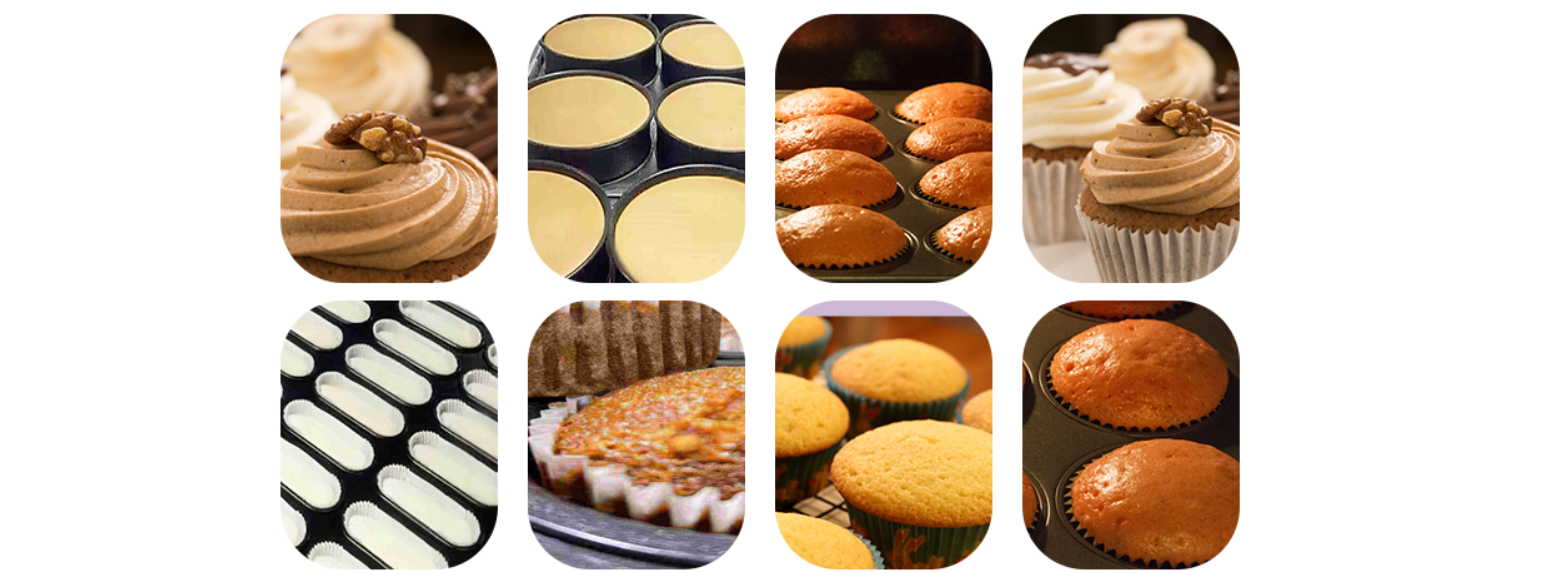
Choosing the right automatic cake depositor machine is a big step for growing commercial bakeries and food factories. As your production grows, hand-scooping and manual filling slow down your whole team.
Manual work causes uneven cake weights and slow output. Even small mistakes waste batter, which lowers your profits over time. Modern equipment fixes these issues by dosing batter fast and accurately.
However, picking the wrong machine can block your production line. Dense batters need stronger pumps than light batters. Likewise, long tool changes slow down your daily work.
This guide helps you choose the right machinery for your recipes, mold shapes, and yield goals.
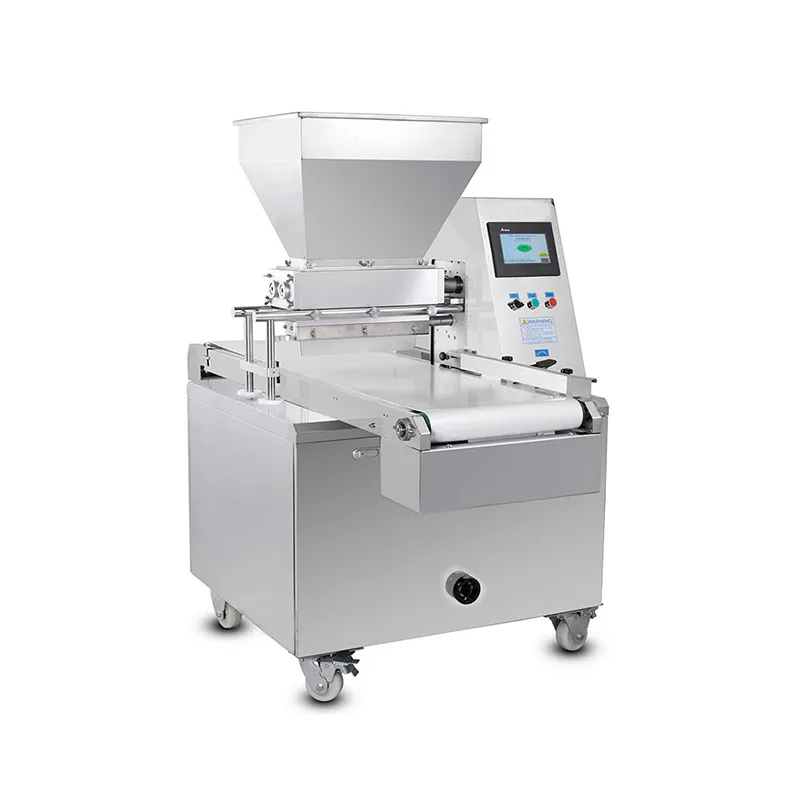
Matching Your Batter Type to the Right Cake Batter Depositing Machine
Different cakes need different recipes. Because batter thickness varies a lot, your dosing system must match your products.
Thin and Liquid Batters
Pancake, crepe, and sponge cake batters flow very easily. A simple gravity system or a basic pneumatic piston cake batter depositing machine handles these thin mixes smoothly.
You do not need heavy force to keep a steady flow.
Heavy and Dense Batters
Muffins, fruitcakes, and pound cakes often contain nuts, chocolate chips, or fruit pieces. Standard narrow valves easily crush these ingredients or clog the line.
Instead, choose a heavy-duty system with rotary valves and wider nozzles. These parts move thick batter cleanly without damaging your mix-ins.
Aerated and Delicate Batters
Angel food and foam cakes rely on trapped air for light texture. Too much pressure ruins these air bubbles and makes cakes flat.
Because of this, servo-driven piston depositors work best for light batters. Operators can adjust suction speed and dosing speed to protect delicate batter air cells.
Maximizing Weight Accuracy Across Your Industrial Cake Line
Accurate weight control protects your bakery profits. Overfilling trays by just two grams per cake wastes thousands of dollars in batter each year. On the other hand, underfilling leads to customer complaints and rejected orders.
| Accuracy Factor | Machine Function | Financial Benefit |
| Servo-Motor Control | Adjusts piston movement within +/- 1g limits | Stops batter waste and cuts ingredient costs |
| Hopper Level Sensors | Keeps steady pressure on the batter | Prevents weight drops as the hopper empties |
| Drip-Cut Valves | Cuts off batter flow instantly | Keeps tray borders clean and avoids rework |
High-capacity bakeries link dosing heads directly to an industrial cake line to keep weight accuracy high. Servo motors drive each piston cleanly, keeping weight errors within plus or minus one gram per cake.
In addition, smart sensors track batter levels in the hopper. Keeping a steady batter level creates equal pressure at the valves, ensuring consistent portion weights from morning to night.
Mold Compatibility and Quick Changeover Strategies for Your Automatic Cake Depositor Machine
Modern bakeries produce many different products on one line. Therefore, your automatic cake depositor machine must quickly adapt to different pan sizes, paper cups, and tray setups.
-
Multi-Nozzle Plates: Swap out single-row heads for multi-port plates to fit standard 400x600mm trays or custom cup grids.
-
Tool-Free Dismantling: Choose machines with quick-release clamps on hoppers and nozzles so workers can clean parts without tools.
-
Touch-Screen Memory: Save dosing speeds, volumes, and conveyor heights in the control panel. Switching from cupcakes to sheet cakes takes just a few clicks.
Fast changeover cuts downtime and lowers labor costs. When your line cleans up quickly, your team spends less time on maintenance and more time baking.
Henghao Bakery (Haopai Auto) Solutions for Industrial Cake Lines
Selecting reliable machinery requires working with an experienced partner. Henghao Bakery (Haopai Auto) designs and builds high-performance automated baking equipment for global food factories. You can read about our company history and technical standards on our about Haopai Auto page.
| Feature | Specification | User Advantage |
| Material | Food-Grade SUS304 Stainless Steel | Resists rust and washes down easily |
| Control Panel | Multi-Language Touch Screen | Simple for operators to use |
| Recipe Memory | Stores up to 20 Product Recipes | Allows quick product changeovers |
| Dosing Precision | High-Speed Servo Control | Keeps target weights very accurate |
Haopai Auto machines use strong SUS304 stainless steel frames that meet strict food safety rules. In addition, our non-drip nozzles handle sponge batters, muffin mixes, and macaroons cleanly without dripping on pans.
By choosing Haopai Auto equipment, bakeries get steady daily output, lower repair costs, and reliable baking quality.
Practical Selection Steps for Your Cake Batter Depositing Machine
Before buying new machinery, review your plant setup and product goals by following these steps:
-
Check Batter Thickness: List every recipe you plan to make. Make sure the piston valves can handle your thickest batters and largest mix-ins.
-
Calculate Daily Output: Match your depositor speed with your baking oven capacity. High-speed lines can fill over 10,000 cakes per hour.
-
Review Cleaning Steps: Make sure workers can remove hoppers and dosing blocks easily for daily washing.
-
Confirm Spare Part Support: Choose equipment suppliers that provide fast spare parts delivery and reliable technical help.
Investing in a well-built batter depositor cuts ingredient waste, keeps weights steady, and helps your bakery business grow.


